

Do you wish you could visit Cumberland Island, but to date you have not had the time to do so? There’s a great deal to discover at the Cumberland Island National Seashore, Georgia’s largest and southernmost barrier island, which features untouched maritime forests, pristine beaches, and vast marshes. Cumberland Island became a national seashore on October 23, 1972, when President Nixon signed it into law. Planning is key to enjoying a day on the legendary Cumberland Island National Seashore. The island has plenty to offer the day traveler, but you will need to make reservations for any tours and the ferry journey well in advance.
This post may contain affiliate links, meaning if you purchase something through one of these links, we may earn a small commission at no extra cost to you! Read the full disclosure policy here.
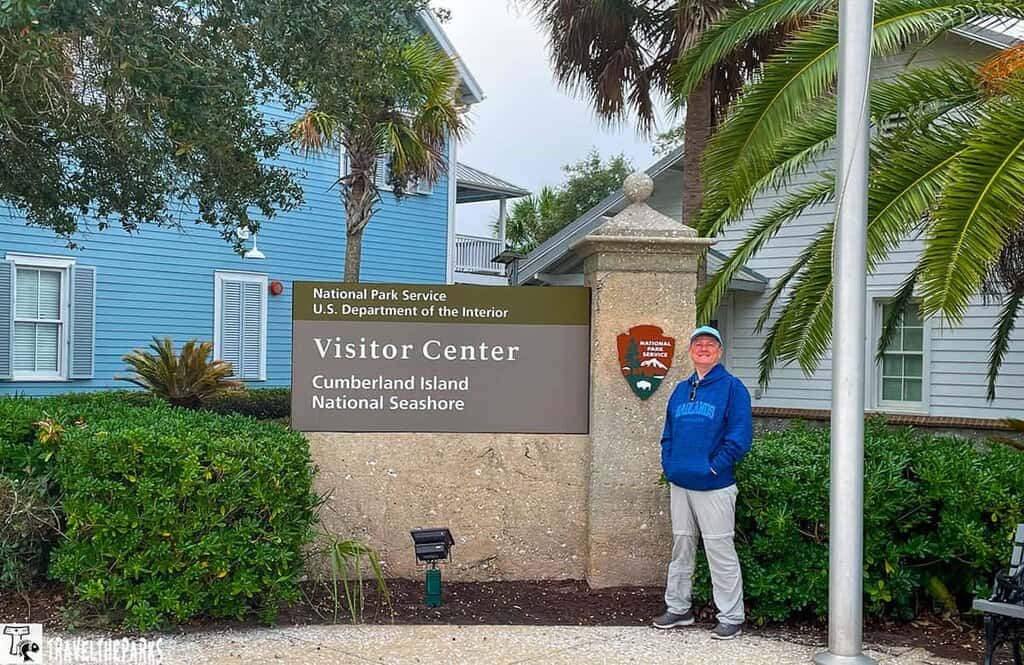
Table of Contents
Exploring Cumberland Island National Seashore
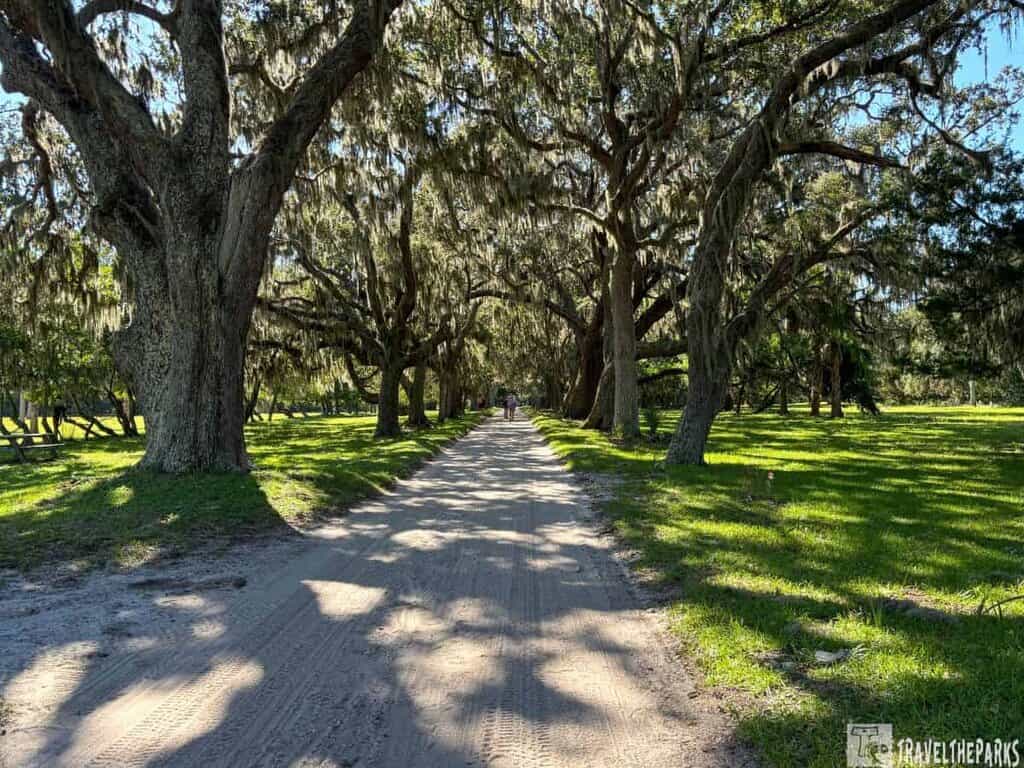
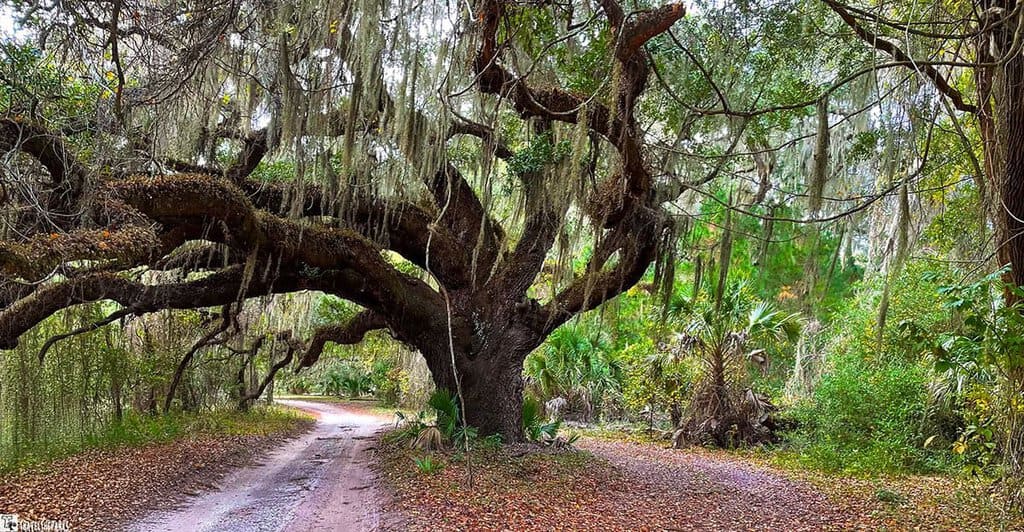
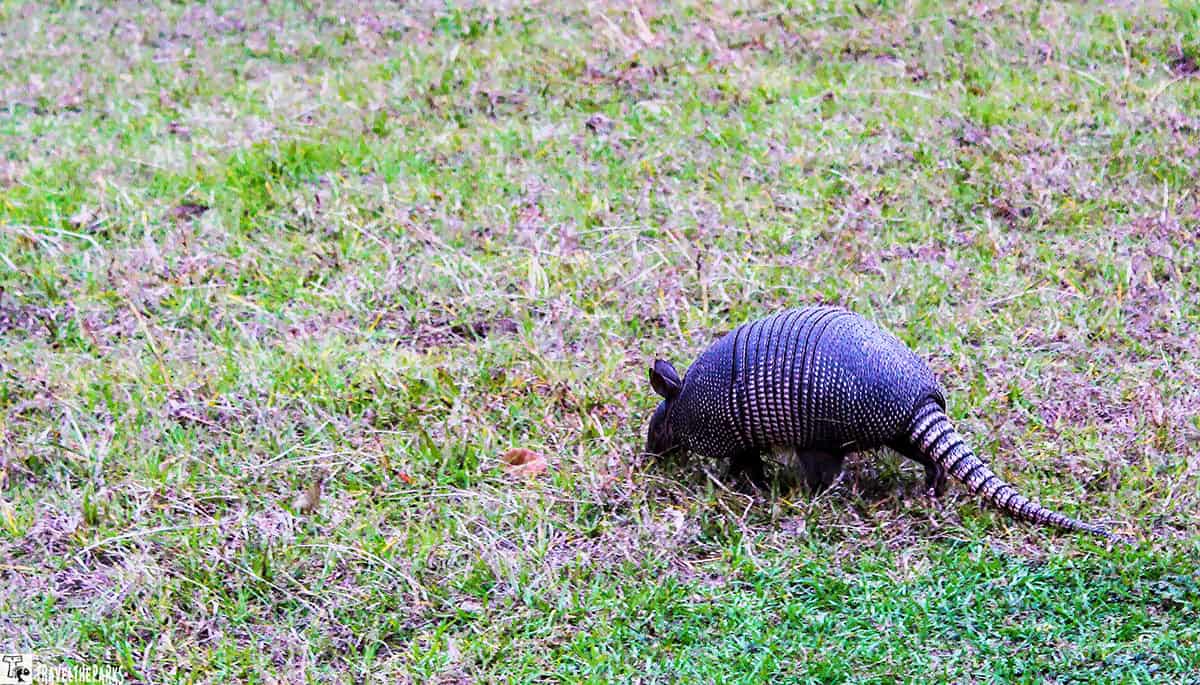
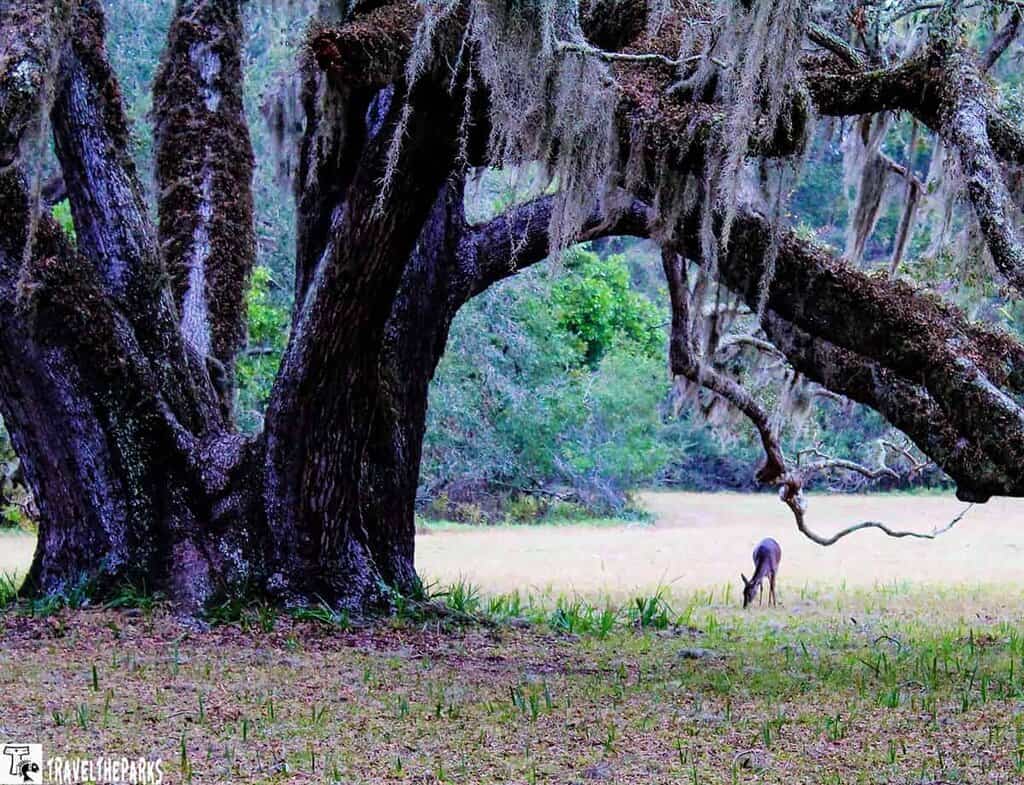
Cumberland Island is 18 miles long and 3 1/2 miles wide with 9,341 acres of salt marsh. Hundred-year-old oaks draped in Spanish moss shade many of the island trails. Like all national parks, Cumberland Island is incredibly diverse. The island also has an abundance of wildlife: armadillos, feral horses, deer, raccoons, sea turtles, wild boars, alligators, and migratory birds. Various remains and ruins are open for public viewing via the National Park Service, and provide evidence of the lavish Gilded Age.
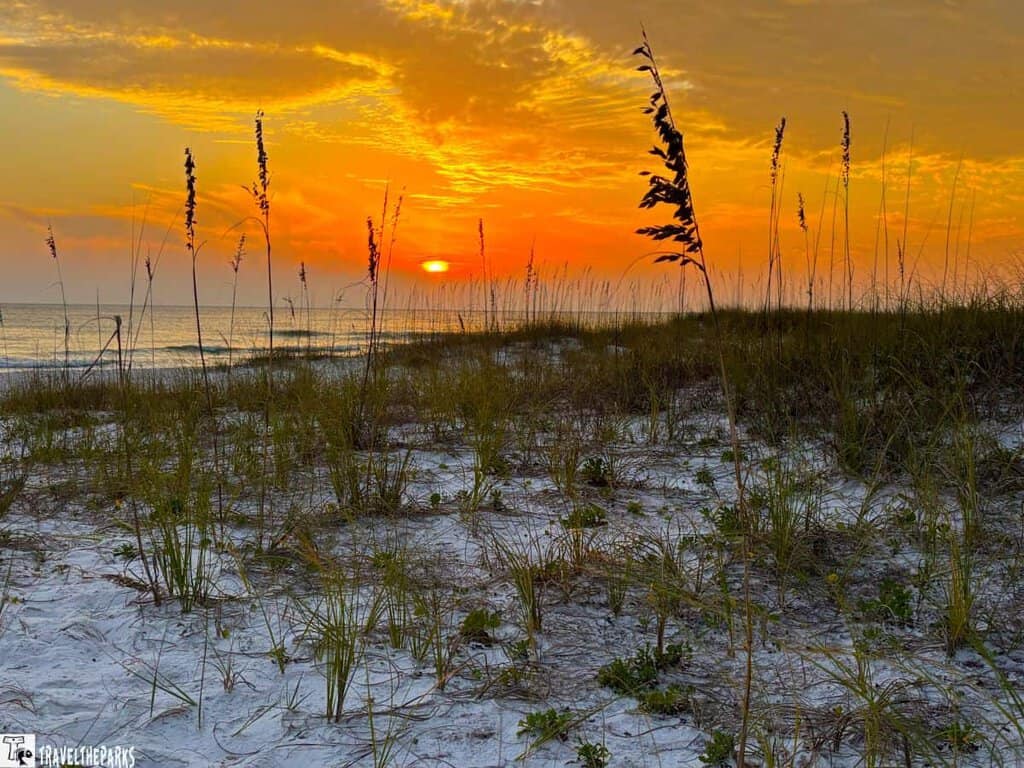
You can visit the island without a tour and walk to the Dungeness Estate Ruins, hike the 50-miles of trails or just soak in the sun on the 17-miles of pristine beach.
.
The Small-Town Charm of St. Marys, Georgia
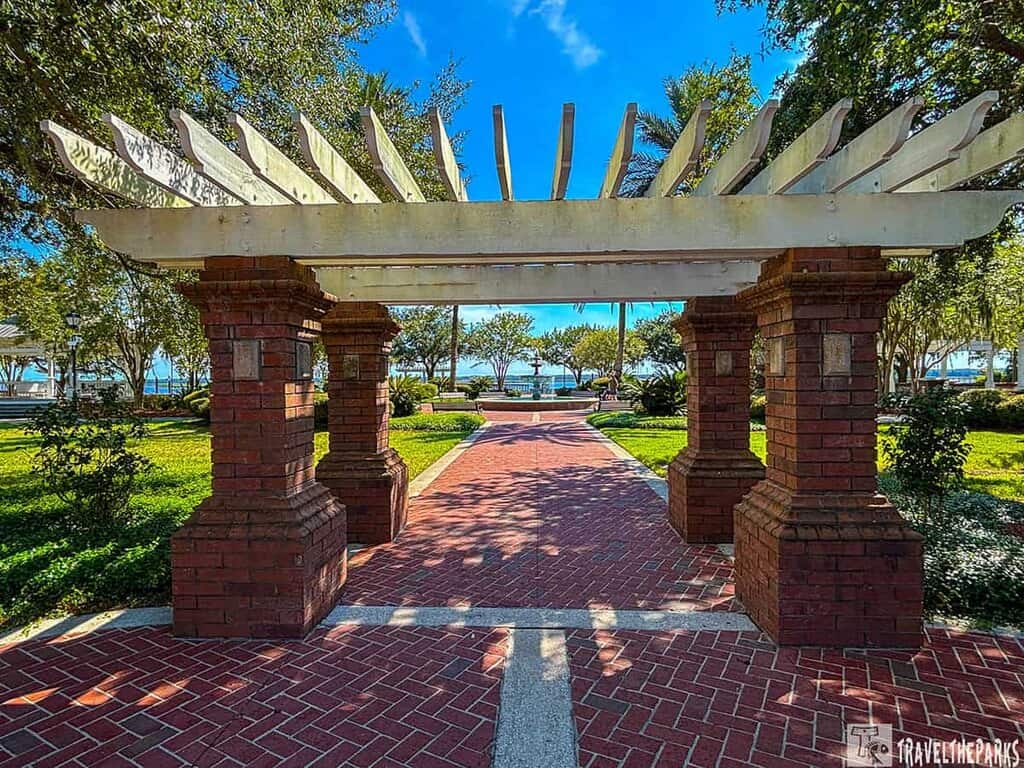
This small coastal village is the jumping-off point for Cumberland Island. It is also a great central location for visiting the nearby Okefenokee National Wildlife Refuge, St. Marys Submarine Museum or Fort Pulaski National Monument, or the other golden Georgia Islands of Tybee, St. Simon, or Jekyll.
Need to Know Before You Go: Cumberland Island National Seashore
- Location: Seven miles east of St. Marys, Georgia, Cumberland Island is only accessible by boat (personal boat, private charter, or ferry). Booking through the Cumberland Island Ferry website or calling 877-860-6787 was relatively easy.
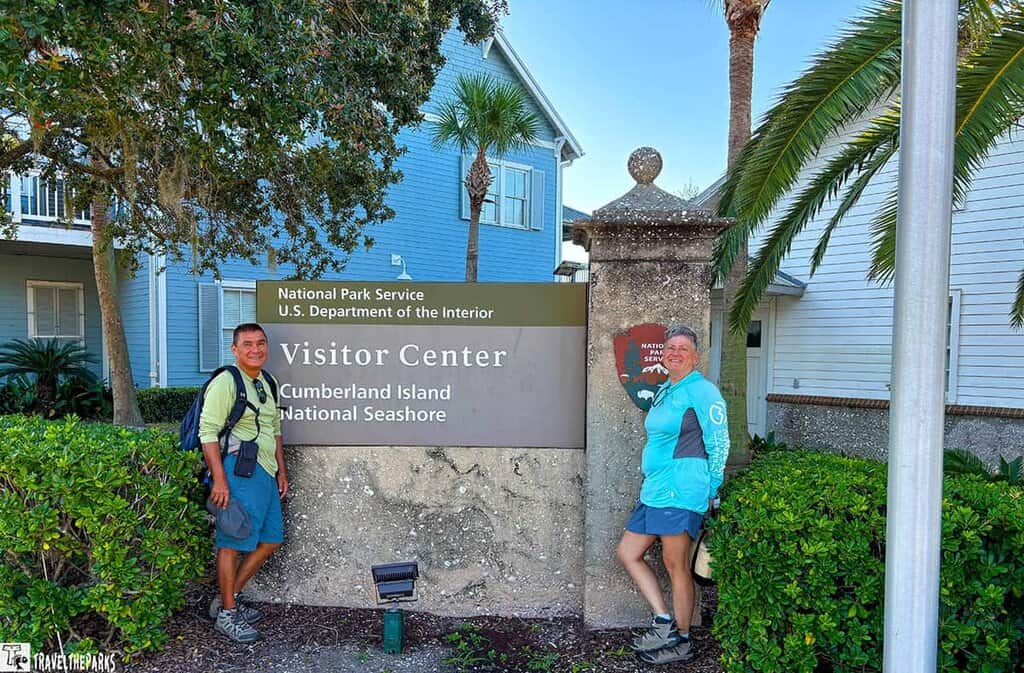
- The Mainland Visitor Center is open daily 8:00am to 4:30pm, Monday – Sunday (except Christmas day). The many exhibits and displays detail the island’s history, from the Native Americans to the Carnegie family. Rangers are available to answer questions, and there is a bookstore and a small gift shop. Before you depart the marina, be sure to downloadable a map of the Cumberland Island National Seashore.
- Parking is one block west of the visitor center and is free for 36-hours.
- Entrance fee for Cumberland Island National Seashore that is paid at the Cumberland Island Visitor Center prior to boarding the ferry. A ticket for an adult is $10, and a ticket for a youth or child under 16 is free. We used our America the Beautiful Pass.
- Best time to visit: the island would be late March/early April or late September/October when the weather is cooler for hiking, occasionally windy, not ideal for the beach (fewer mosquitoes). In the summer months, the island can be hot, but the beach is a welcome respite.
- What should we bring? Remember, a good pair of sunglasses, sunscreen, towel, ball cap or wide-brimmed hat, and a light, loose-fitting long-sleeved shirt for sun protection while on the trail. If you plan to walk the trails, bring bug spray for the biting insects.
Join a Ranger Parks Program
Join a ranger-guided Footsteps Tour-Offered daily at 10 am. and 12:30 pm, this is a one-hour, one-mile walking tour. Knowledgeable rangers will guide you through the Dungeness ruins, highlighting the early origins through to the building of the mansion.
A ranger’s Dockside program is held daily at 4:00 pm and coincides with the final ferry departure. The day we visited, the kids were learning about the various sea creatures that inhabit the island.
Your Gateway to Exploring Georgia’s Hidden Coastal Gem: Cumberland Island Ferry
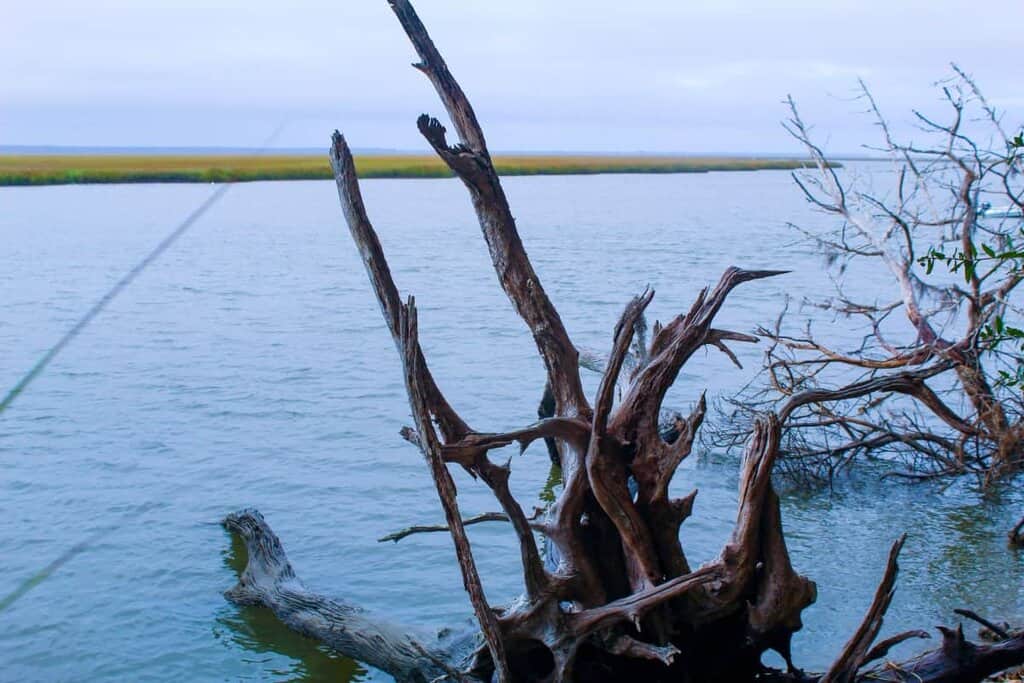
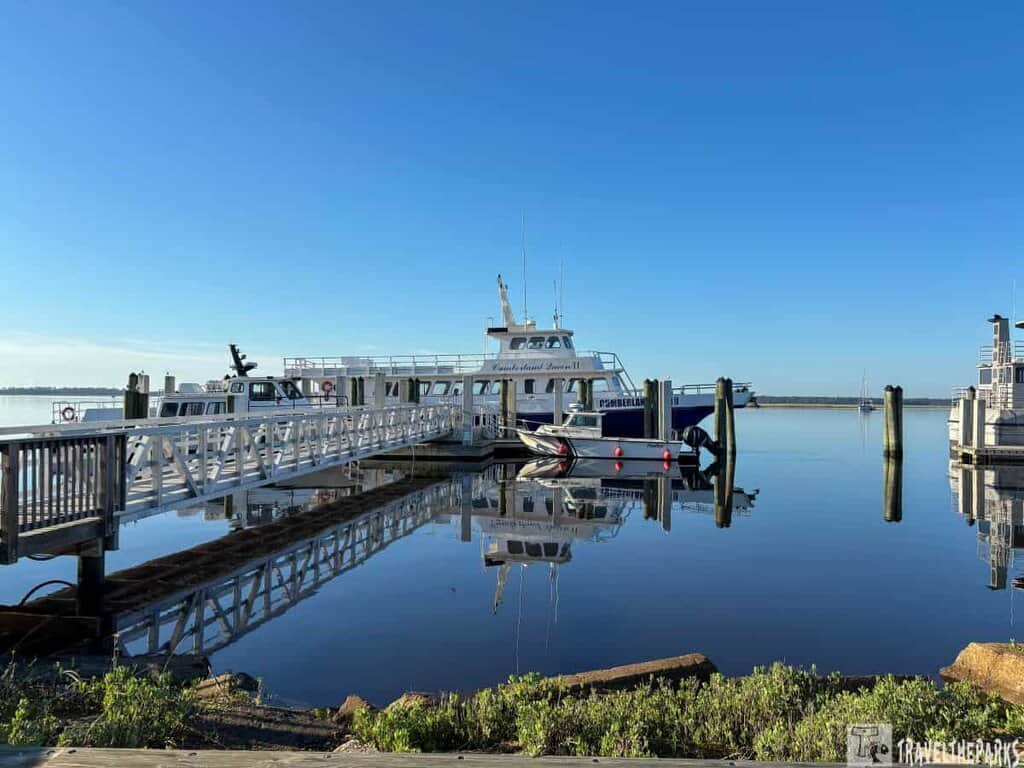
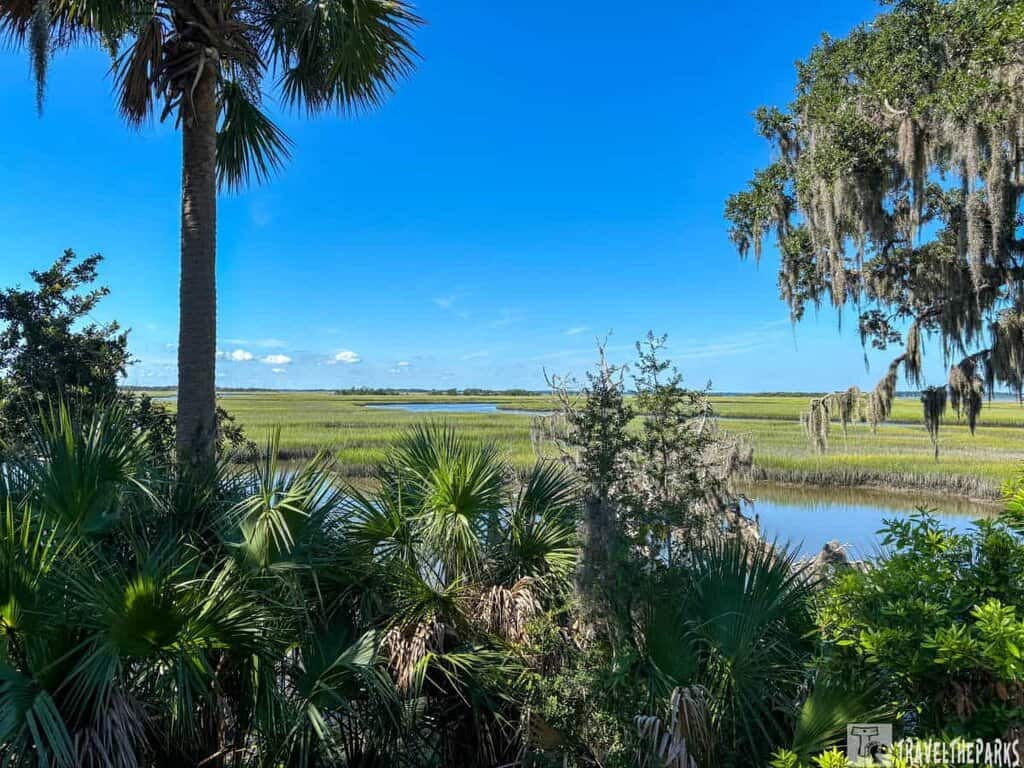
It is a 45-minute scenic ferry ride to the island. We opted to sit in the open-air seating on the top deck for most of the trip. Although it is an overcast morning, the views of the St. Mary’s River marshes and mudflats are dramatic.
Taking the ferry over at 9:00 AM and returning at 4:45 PM was convenient for us. On the island, we had plenty of time to explore. Upon docking, there are bathrooms and water refill stations. Make sure you pack a lunch, since there are no food options on the island.
How to Spend Your Day on Cumberland Island
- Option 1 is simply relaxing at one of the endless beaches of Cumberland Island. From either the Dungeness Dock or Sea Camp Dock, a series of boardwalk trails leads to the beach areas.
- There is much more than just a beach on the island. Option 2 is to do the self-guided or ranger-led tours of Dungeness Estate Ruins, the Ice House Museum, and the boardwalk trails.
- Option 3 is to either bring a bike (additional $10 cost for the ferry) or do a Lands and Legacies Tour Around Cumberland Island ($45). Both will take you a full day to see the northern sites on the island. Round-trip travel time is 3-5 hours for bikers or 8-10 hours for hikers.
Note: While they protect fossils and rocks in national parks, you are allowed to collect shark teeth from Cumberland Island.
Early History of Acclaimed Cumberland Island National Seashore
The earliest known inhabitance to the island were the Indigenous Tacatacuru, a Timucuan indigenous clan. They were a semi-agricultural people, mainly harvesting food from the ocean. In 1562, French explorer Jean Ribault’s expedition met and formed a friendly relationship with the building of Fort Caroline. Later, when the Spanish arrived in 1564, they erected a Franciscan mission to convert the Timucuan Indians to Christianity.
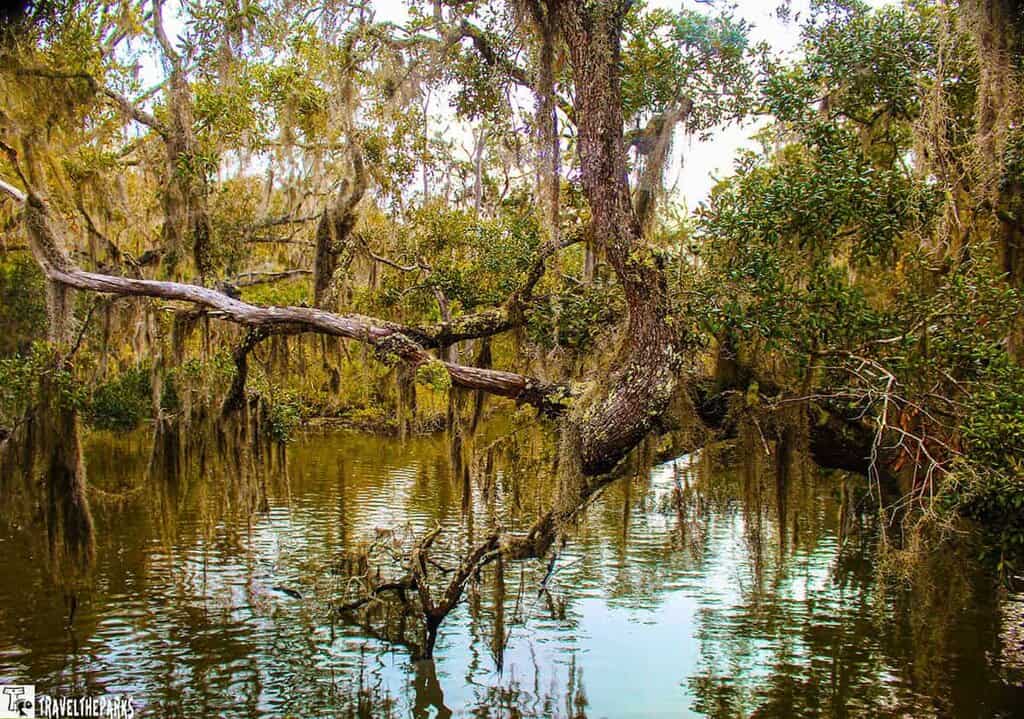
Diseases brought by Europeans, along with fighting between indigenous clans, took a heavy toll on the native people. By 1700, only about 1,000 Timucuan were left. Those who survived left the island and headed to North Florida, where they blended in with other Timucuan communities.

Uncovering the British Legacy on Cumberland Island—A Hidden Chapter in Georgia’s Coastal History
The Yamasee clan arrived shortly after the Tacatacuru left. It was in 1736 that James Oglethorpe, the founder of Georgia and Fort Frederica, arrived on the island, building the first lodge and calling it “Dungeness.” He, along with a Yamacraw chief named the island Prince William, Duke of Cumberland. He decided they would build Fort St. Andrews in 1736 on the northern end of Cumberland Island. They abandoned it in 1742.

Revolutionary War General Nathanael Greene and his wife purchased acreage on Cumberland Island in 1783. They constructed a four-story tabby home. General Nathanael Greene died in 1786, leaving a massive debt to his wife and children. Phineas Miller later wed Catherine, a widow who finished the island manor house in 1803, retaining the name “Dungeness.”
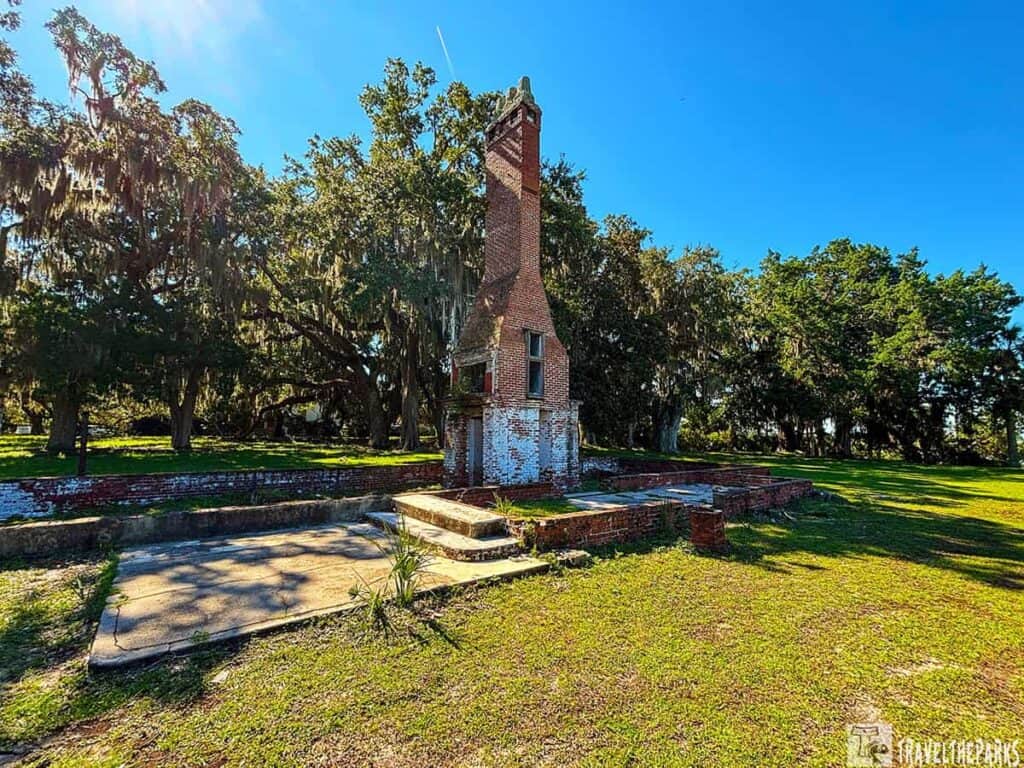
From Revolution to the Gilded Age
For nearly a century after the Revolutionary War era, Cumberland Island passed through various private hands, its cotton plantations rising and falling with the tides of the antebellum economy. The Civil War effectively ended plantation life on the island, and by the 1880s a new chapter was beginning. It was the Carnegie family who would leave the most visible mark on Cumberland Island, shaping much of what visitors explore today. Their grand estates, formal gardens, and outbuildings remain woven into the landscape, and their story is inseparable from the island’s identity.
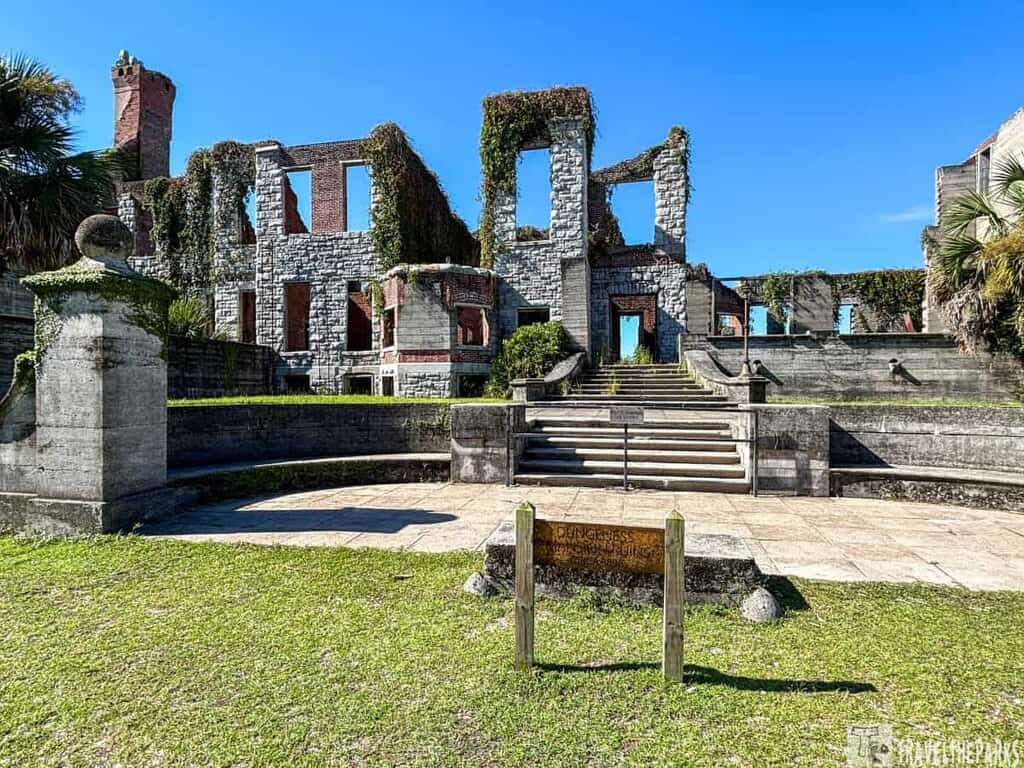
The Hauntingly Beautiful Dungeness Ruins
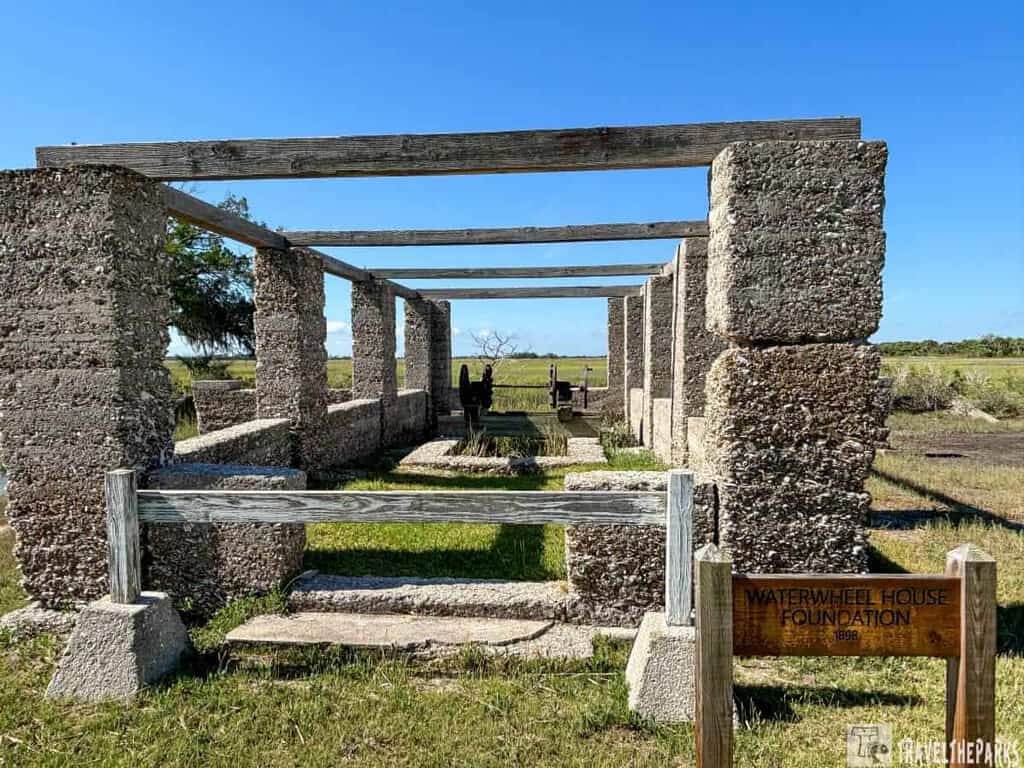
Few places on Cumberland Island leave a more lasting impression than the skeletal remains of the Carnegie family’s winter estate. After Thomas Morrison Carnegie—brother of steel magnate Andrew Carnegie—and his wife Lucy purchased the southern end of the island, they wasted little time building their dream retreat. Their 59-room Queen Anne-style mansion was completed in 1885, and for decades it served as the centerpiece of one of America’s most extravagant private retreats.
Lucy Carnegie was a force unto herself. Widowed at 43 with nine children, she transformed the estate into a fully self-sufficient compound, adding an indoor pool, squash courts, a golf course, and staff quarters for nearly 200 workers. She died in 1916, and the family eventually abandoned Dungeness during the Great Depression. A fire in 1959 left only the hauntingly beautiful brick shell you see today.
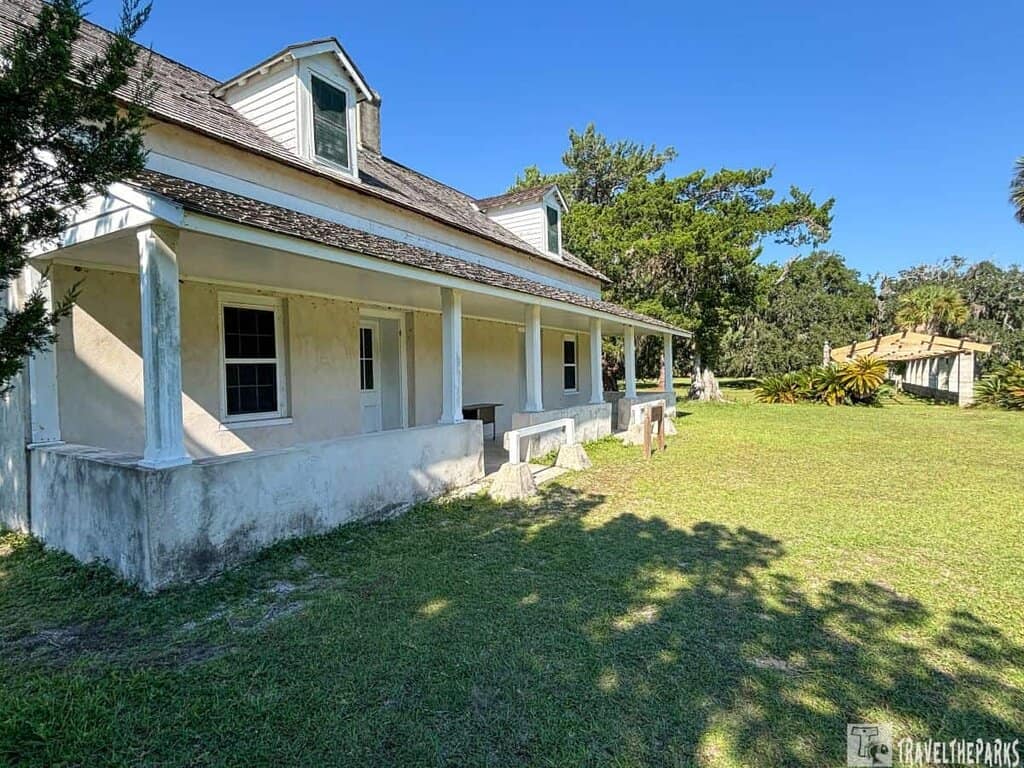
From the Dungeness Dock, it is a short half-mile walk to the ruins. Once there, plan to linger. The surrounding historic district includes a greenhouse, laundry house, tennis court, the Carnegie family cemetery, and the Greene Tabby House—the oldest standing structure on the island, dating to the early 1790s. The National Park Service offers a free cell phone audio tour of the area, with brief historical narration at each numbered stop. Feral horses are frequently spotted grazing along the estate perimeter, utterly unbothered by visitors passing through.
As an 81-year-old woman, Carol still lives independently on a small island. Cumberland Island is the setting for a b
Plum Orchard Mansion—A Gilded Age Masterpiece
If the Dungeness ruins hint at the Carnegie family’s extraordinary wealth, Plum Orchard makes it undeniable. Sitting seven miles north of Sea Camp, this stunning 22,000 square foot Georgian Revival mansion was built in 1898 by Lucy Carnegie as a wedding gift for her son George Lauder Carnegie and his wife Margaret Copley Thaw. Designed by the prestigious firm Peabody and Stearns, it remains one of the finest examples of Gilded Age architecture anywhere on the Georgia coast.

Unlike Dungeness, Plum Orchard survived intact and has been beautifully restored by the National Park Service, which received it as a donation in 1972. Step inside and the opulence is immediate—an indoor swimming pool, a squash court, twelve bathrooms, an authentic Tiffany lamp gracing the front hall, imported marble tile, and a baby grand piano tucked into the game and gun room. It is the kind of place that makes you pause and reconsider the scale of Gilded Age excess.
Plum Orchard is open Thursday through Monday, 9am to 12pm and 1pm to 4pm, with guided tours offered on the hour lasting approximately 45 minutes. The mansion is only reachable by private vessel, bicycle, on foot, or via a guided tour—making it one of the island’s most rewarding destinations for those willing to make the effort to get there.
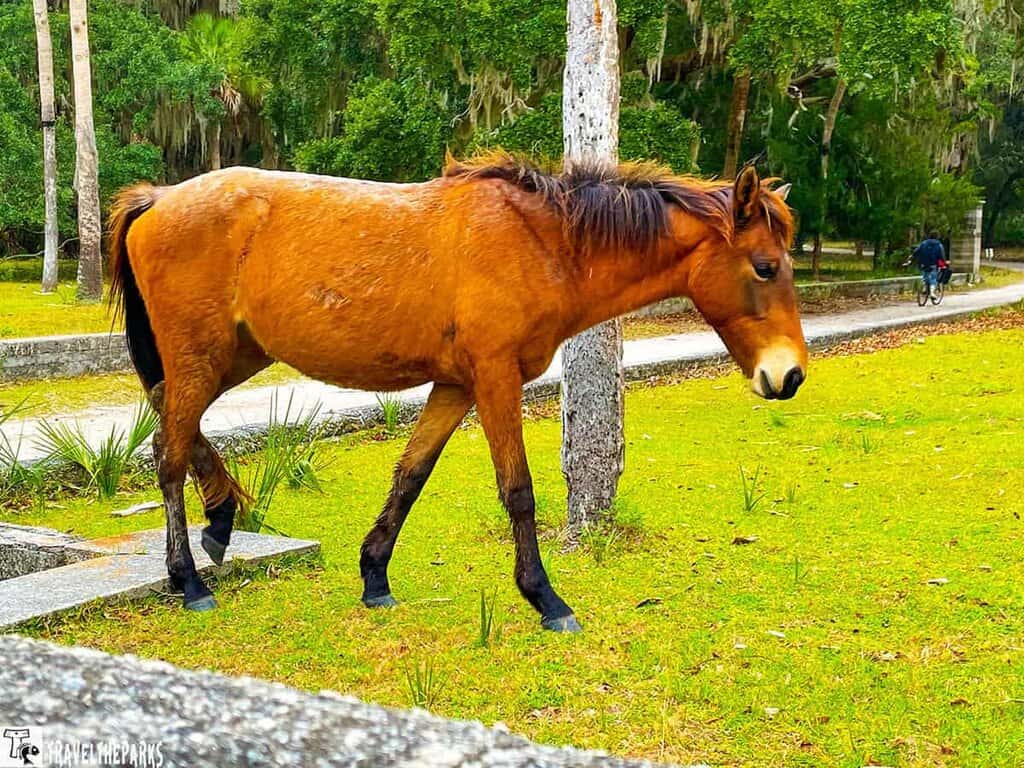
The Mythical Feral Horses of Cumberland Island National Seashore
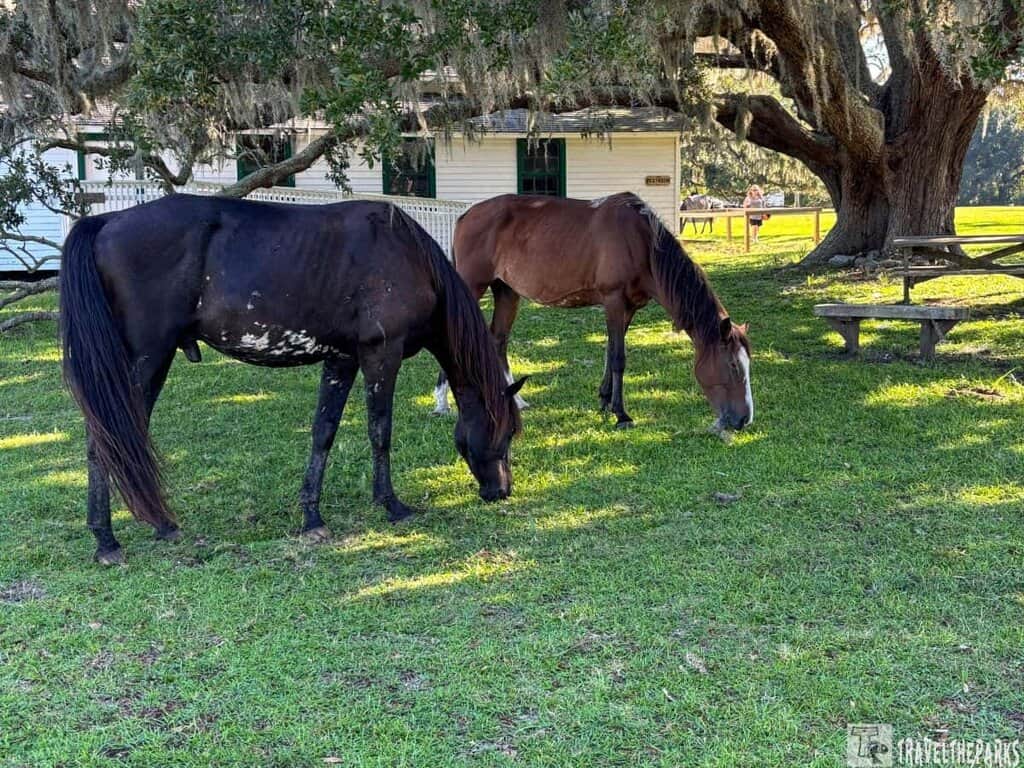
There are few wildlife encounters quite like stumbling upon a band of feral horses going about their day, completely indifferent to your presence. Horses were first brought to Cumberland Island by English colonists in the 1740s to assist with the construction of forts and lodges. Over the following centuries, the Carnegie family selectively introduced Tennessee Walking Horses, Paso Finos, and Arabians in an effort to strengthen the herd. When the family eventually left, the horses stayed.
Today, small bands roam freely across the island—grazing near the Dungeness ruins, wandering the beach, or standing quietly in open meadows. Spotting them is one of those unexpected moments that makes Cumberland Island feel genuinely wild. That said, these are not domesticated animals. Give them plenty of space and resist the urge to approach, no matter how calm they appear. A good telephoto lens or a pair of binoculars will serve you far better than getting too close ever could.
Hiking Cumberland Island’s 50 Miles of Trails
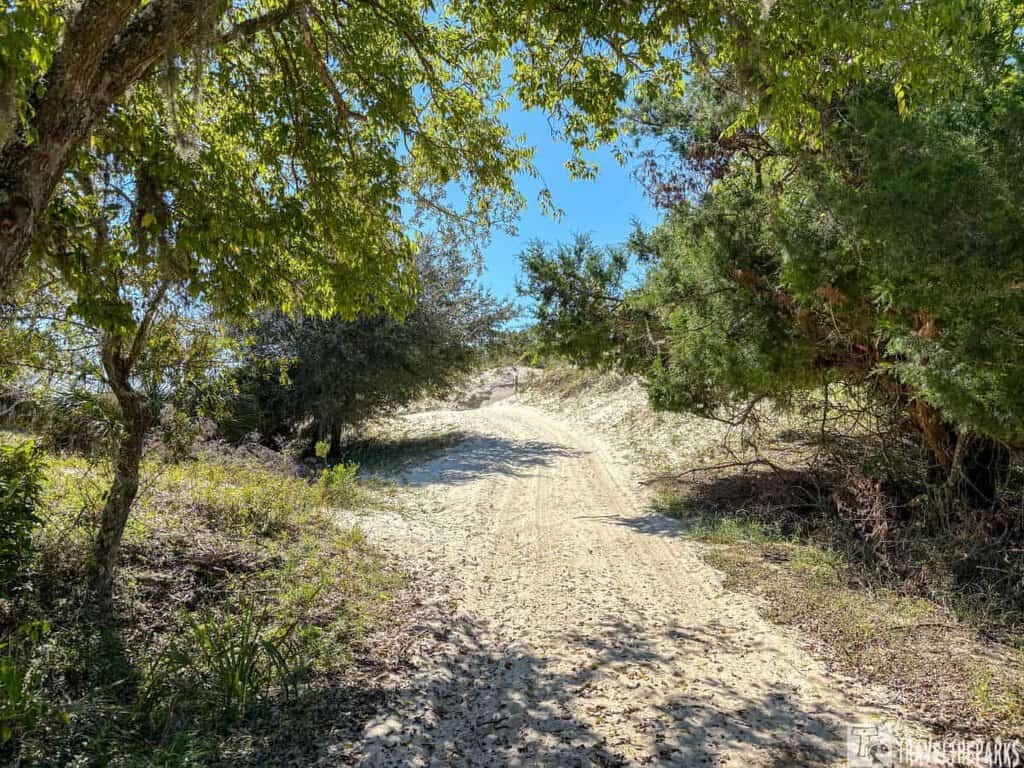
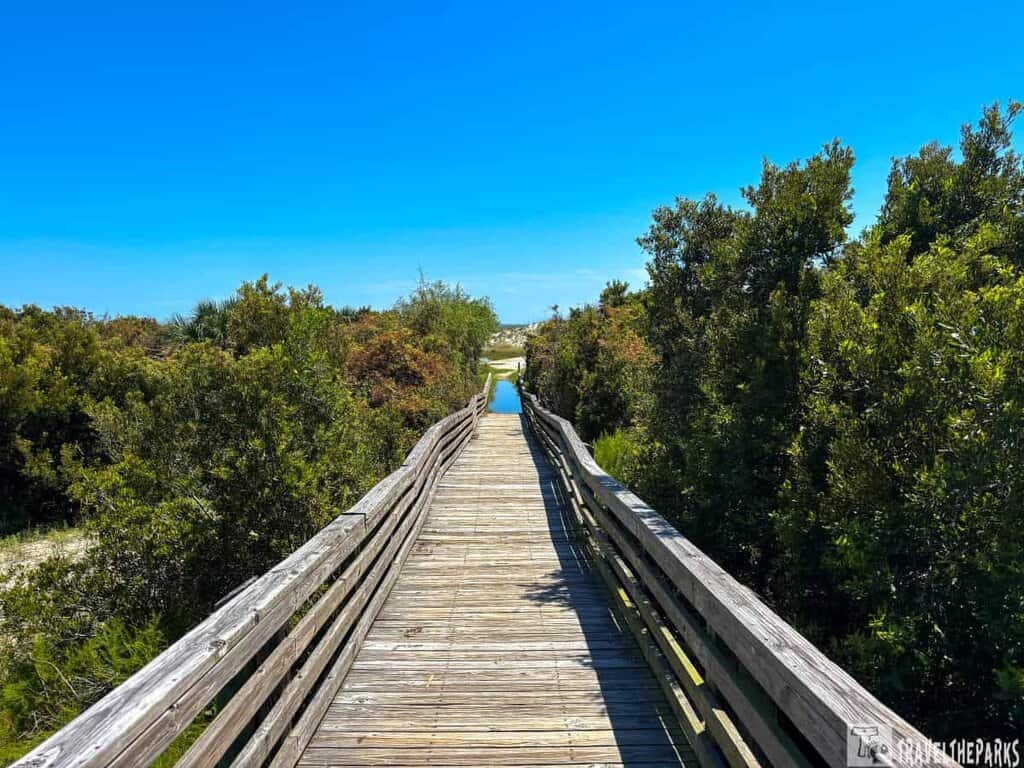
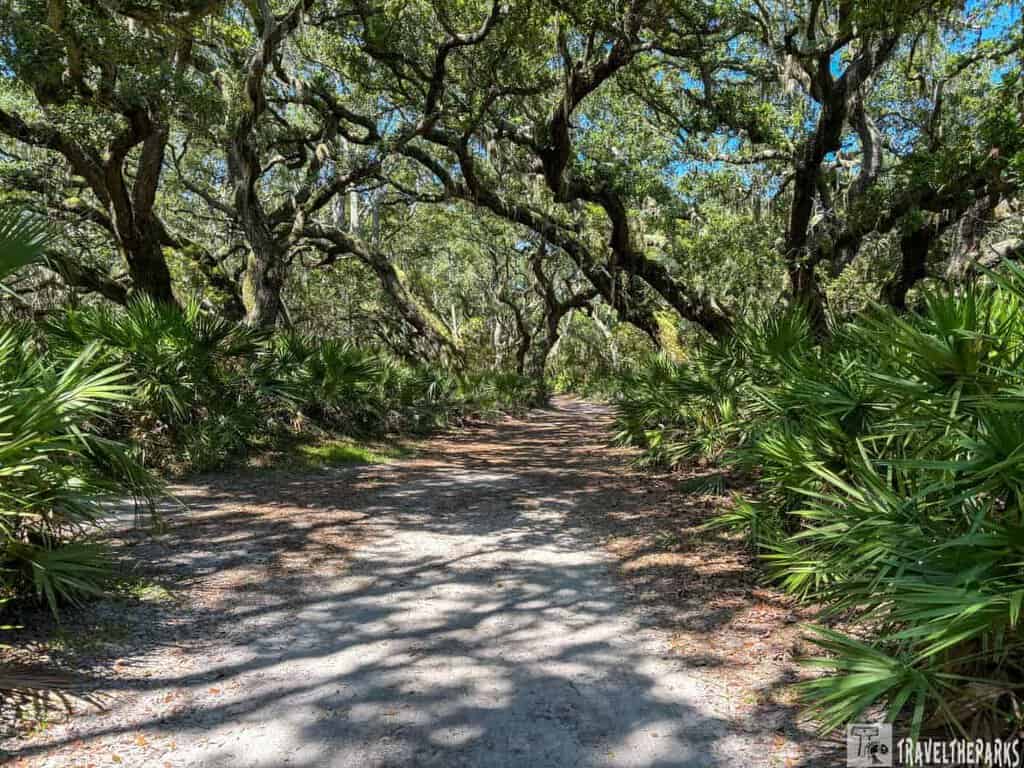
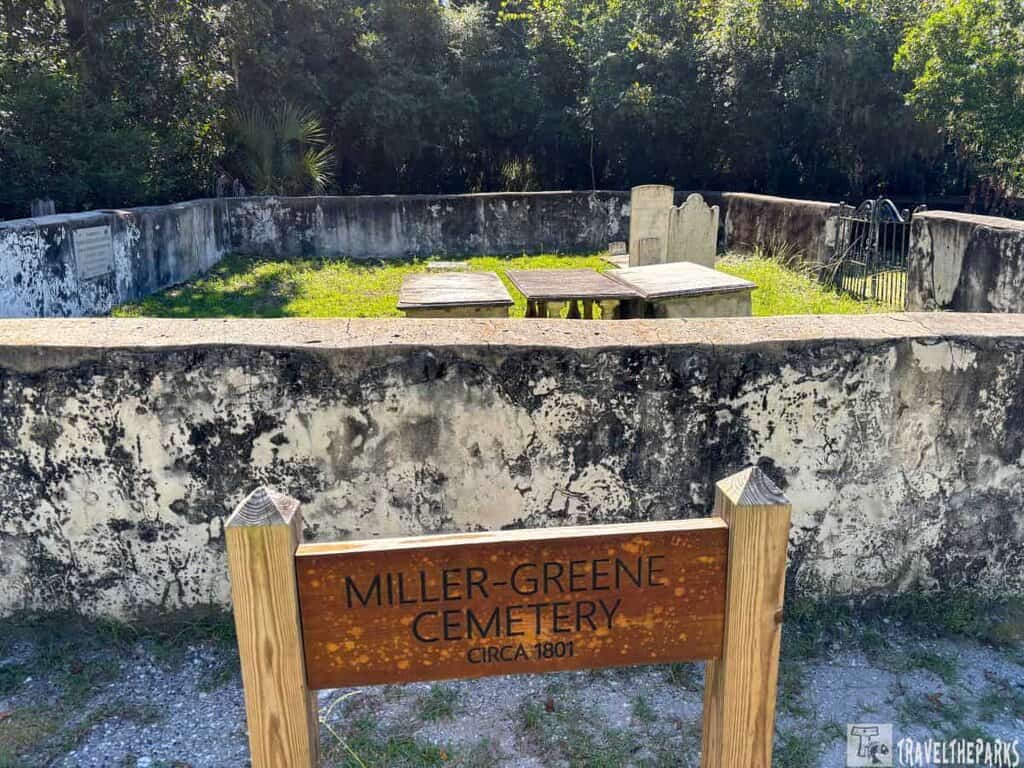
Hiking the Southend Loop Trail is the most popular hiking trail for day-trippers on Cumberland Island. The loop begins with the River Trail, which is 0.8 miles long, starting from the Sea Camp Dock to the Dungeness Ruins. It traverses through windswept oaks and palmettos. From there, take the Dungeness Trail (1.5 miles) through the Green-Miller Cemetery to the boardwalk over the marsh before it reaches the dunes. The trail follows along the open sand beach before returning to Sea Camp Dock. It takes most hikers 2 to 4 hours to complete the entire 4.3-mile loop.
You will see plenty of wildlife. Deer and feral horses are the most common. Armadillos, wild turkeys, and migratory birds are often seen as well. The occasional feral hog, otter, or bobcat can be observed in the early morning or late evening.
NOTE: Stay hydrated! Water bottles come in a wide variety of colors, shapes, and sizes. One gallon of water per person per day is recommended when hiking in the park.
Camping on Cumberland Island National Seashore
If you plan on camping, you need to reserve a site well in advance. Reservations can be made 6 months out to the day. The island has two main campgrounds: Stafford Beach (3.5-mile walk) or Sea Camp (1/2-mile walk). It also has wilderness sites: Hickory Hill (5.5-mile walk), Yankee Paradise (7.5-mile walk) and Brickhill (10.5 miles). Prices vary between $9-$40 depending on which campsite you choose.
Note: Not one of the hike-in sites on Cumberland Island includes electricity, and there are no hot showers.
Where to Stay: Camping and Lodging on Cumberland Island
Greyfield Inn-A two-night minimum stay is required at the historic Greyfield Inn. Rooms begin at $700 a night. As part of your stay, you will receive a free ferry ride to the island, all your meals, island excursions, equipment rentals (kayak or bikes) and can spend time with a naturalist. Lucy built the house from 1901 to 1905 for Margaret Carnegie Ricketson and her husband, Oliver Ricketson. Today, members of the Carnegie family still own and manage Greyfield, the converted mansion. In 1962, it opened to the public. It includes 15 rooms in the main house, as well as two cottages.

Crooked River State Park is just seven miles outside St. Marys, GA, and the Cumberland Island Ferry. It features campsites with electricity in a wonderful setting worth exploring after your day on the Cumberland Island National Seashore.
St. Mary’s has a nice waterfront area with shops, restaurants, and boutique bed & breakfast hotels.
Tips for Your Trip to Cumberland Island National Seashore
- Bring a lunch and snacks, there is no food for purchase on the island.
- Drink plenty of water during the day.
- Enjoy the wildlife, folks, but don’t get too close, please!
- There are also no trash cans. Remember, LEAVE NO TRACE: pack in, pack out trash policy.
- If you take the tour, there will be 2-3 bathroom stops along the way.
- Remember to bring bug spray and check for ticks.
- Bring along your sunscreen, sunglasses, beach towels, and remember your camera.
- Pack binoculars or a camera with a telephoto lenss—for wildlife, feral horses, and the sweeping marsh views from the ferry, you will be glad you have them.
Final Thoughts: A Full Day on Legendary Cumberland Island National Seashore
As Georgia’s largest barrier island, Cumberland Island has a long and diverse history. In truth, I consider this one of the most entertainingly memorable tours I’ve taken in my many years of travelling. A magical place, Cumberland Island National Seashore, is an adventure for everyone.
The Georgia coast has a lot to offer the traveler. Day trips for history buffs to Savannah, Fort Pulaski, and Amelia Island’s Fort Clinch State Park all within easy proximity to Cumberland Island. You can combine Cumberland Island with a road trip down the Buccaneer Trail or Okefenokee Swamp.
Do you recommend Cumberland Island National Seashore? What did you like best? Share your thoughts in the comments below.


Stan Acevedo
Just wanted to say I found your blog helpful in planning our trip to Cumberland Island. Thank you!!
Travel the Parks
I am glad that you were able to use our blog to plan your trip. We love sharing what we learn on our trips to the parks and other destinations. We hope you have an amazing trip! Thanks for reading our blog.