If you find yourself in Anchorage, don’t skip the Alaska Native Heritage Center. It’s one of those places that goes beyond simply seeing exhibits—it gives you a deeper look at the cultures, traditions, stories, and history of Alaska Native peoples. We’ve put together a few tips to help you plan your visit and make the most of your time at the center.
The Alaska Native Heritage Center opened in 1999 and sits about 10 miles north of downtown Anchorage, just off the Glenn Highway. The 26-acre wooded grounds are beautiful in their own right, but they’re also a great place to spot Alaska wildlife. When we pulled up to the entrance, we were greeted by a mama moose and her calf munching away on the trees. Honestly, we never get tired of seeing wildlife like that in Alaska!
Don’t have a car? No problem. The center offers a free shuttle from several locations in downtown Anchorage, making it an easy addition to your Anchorage itinerary even if you aren’t driving.
This post may contain affiliate links, meaning if you purchase something through one of these links, we may earn a small commission at no extra cost to you! Read the full disclosure policy here.
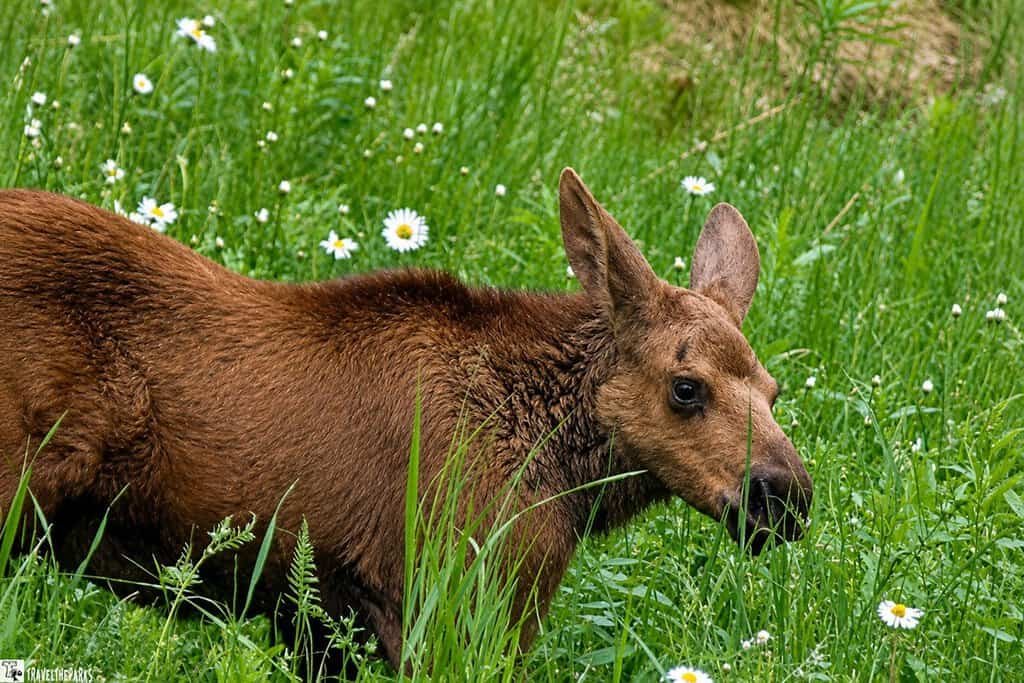
Table of Contents
Arriving at the Alaska Native Heritage Center
As you enter the parking area, you’ll notice how thoughtfully the Alaska Native Heritage Center was designed to complement the surrounding woods. We had no trouble maneuvering our Great Alaskan RV rental into the large parking area, which made arriving with an RV easy.
When we visited, we purchased the museum pass, which included admission to both the Alaska Native Heritage Center and the Anchorage Museum of History and Art. There is a lot to see and learn at the Alaska Native Heritage Center, so I would plan on spending at least four hours here if you want to experience it without feeling rushed.
Inside the facility, stop at the reception desk and check the schedule for the day’s activities. The schedule is helpful for planning your visit around the demonstrations and presentations. We found the staff to be knowledgeable, helpful, and pleasant, and they were happy to answer our questions and point us in the right direction.
What You Need to Know: Alaska Native Heritage Center
Before heading to the Alaska Native Heritage Center, there are a few things you’ll want to know to help plan your visit. The center is located at 8800 Heritage Center Drive, just a short drive from downtown Anchorage and conveniently located off the Glenn Highway.
Alaska Native Heritage Center Hours
During the summer season, the center is open Tuesday through Saturday from 9:00 a.m. to 5:00 p.m. The main visitor season runs from May through September, when you’ll find the full range of cultural experiences and activities available.
Because schedules and admission policies can change, it’s a good idea to check the center’s current information before you go.
Getting to the Alaska Native Heritage Center
Driving is easy, and there is a large parking area at the center, which worked well for us even with our RV rental. If you’re staying in downtown Anchorage without a vehicle, you don’t necessarily need to rent one just for this visit. The Alaska Native Heritage Center provides a free shuttle service from several locations in downtown Anchorage during the summer season.
The shuttle is especially convenient if you’re staying downtown and planning to visit other Anchorage attractions during your trip. Be sure to check the current shuttle schedule and pickup locations before heading out, as these can change from year to year.
Alaska Native Heritage Center Admission
When we visited, admission included access to the center and its many cultural experiences. May through September, self-guided visits are available, giving you the flexibility to explore the grounds and exhibits at your own pace.
Our original visit information listed admission at:
- Adults (18–64): $29
- Seniors (65+): $25
- Children (ages 4–17): $19
- Alaska Resident Adults: $14
- Alaska Resident Children: $12
Keep in mind that these are the prices from our original visit and may no longer be current. Check the current admission rates before your trip.
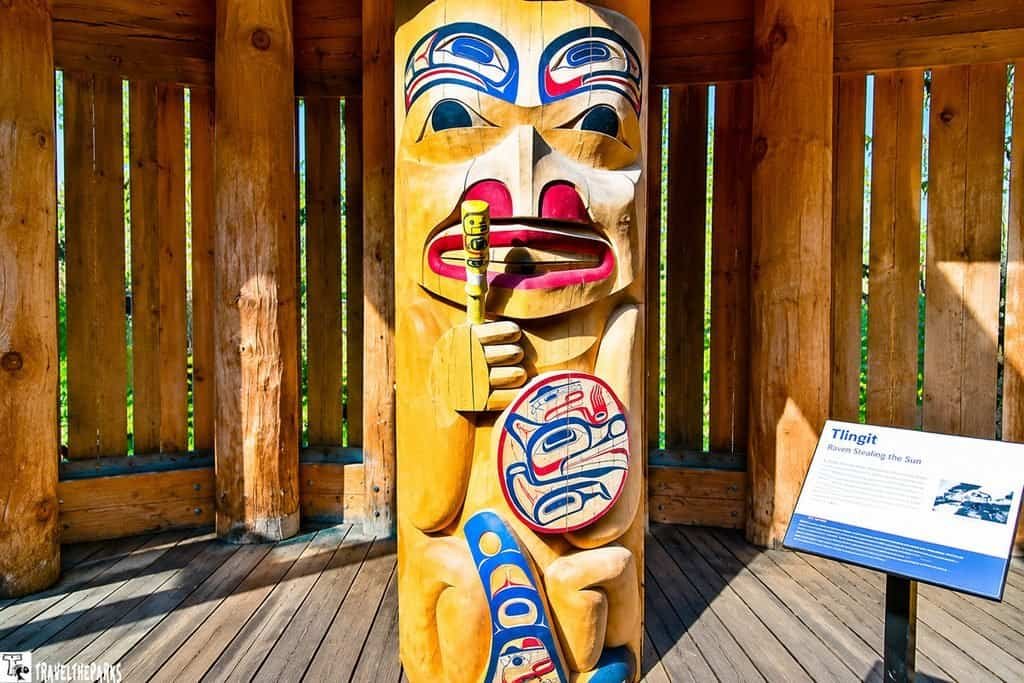
How Much Time Do You Need?
Don’t make the mistake of thinking you can quickly walk through the Alaska Native Heritage Center in an hour or two. There is much more here than an indoor museum. Between the exhibits, cultural activities, Native dwellings, demonstrations, and the surrounding grounds, we recommend allowing at least four hours for your visit.
If you’re interested in learning about Alaska Native cultures rather than simply checking another attraction off your Anchorage itinerary, give yourself plenty of time. It’s worth slowing down and taking it all in..
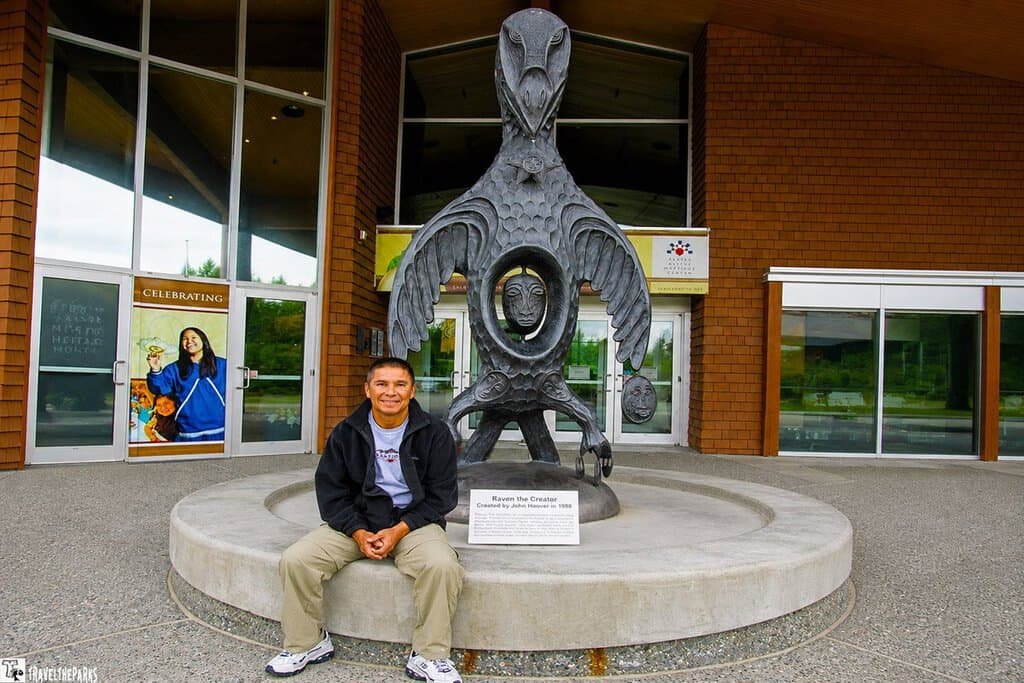
The Gathering Place – Native Dance Performances
The Gathering Place is the heart of the Alaska Native Heritage Center, with an open-air stage where Native dance performances take place throughout the day. For us, this was one of the most engaging parts of our visit. Watching the dancers perform traditional songs, dances, games, and stories gave us a much better understanding of the cultures and traditions represented at the center.
The performances feature Alaska Native dancers from different cultural groups, and each presentation offers something a little different. Rather than simply watching a dance, you get to hear the stories and traditions behind the performances. The dancers also explain the meaning of their clothing, games, songs, and dances, making this a great opportunity to learn while you watch.
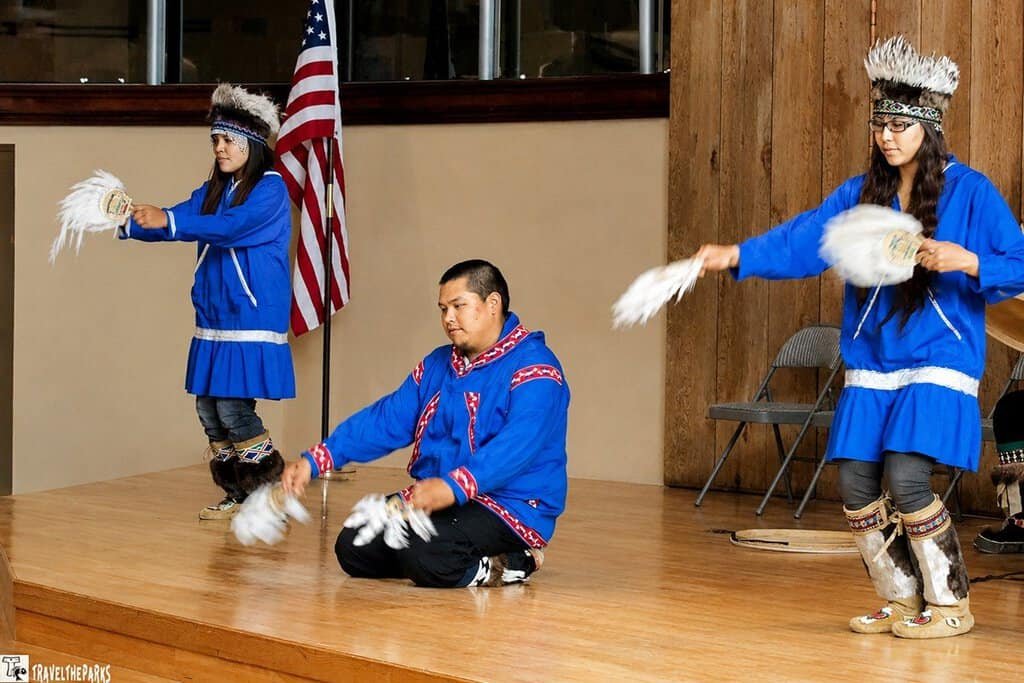
During one of the performances we watched, the lead dancer wore traditional clothing and explained how the garments incorporated different animal pelts and materials, along with techniques and knowledge passed down through generations. She also talked about a subsistence lifestyle and the importance of animals such as whale, walrus, seal, caribou, and fish to communities where these resources have long been an important part of daily life.
What stood out to us was how much history and personal knowledge were woven into the presentation. The dancers weren’t simply performing for an audience—they were sharing traditions, stories, and cultural knowledge that have been passed down through generations. It gave us a much deeper appreciation for the diversity of Alaska Native cultures and made the Gathering Place one of the highlights of our visit.
Tip: Check the daily performance schedule when you arrive. The timing of the dances, traditional games, stories, and other presentations can vary, so planning around the schedule will help you make the most of your visit.
Alaska Native Heritage Center – Theater, Café & Native Artisans
There’s more to the Alaska Native Heritage Center than the outdoor cultural exhibits and dance performances. Inside, you’ll find a small theater, café, gift shop, and the Hall of Cultures, where Native artists and craftspeople share their skills and knowledge with visitors.
Stories and Films
The small theater presents programs such as “Stories Given, Stories Shared” and “Living from the Land and the Sea.” These presentations offer another perspective on Alaska Native cultures, traditions, and the ways people have lived from the land and sea for generations.
If you’re spending several hours at the center, the theater programs are worth adding to your visit. They provide a quieter opportunity to learn and give you additional context for what you’re seeing throughout the center.
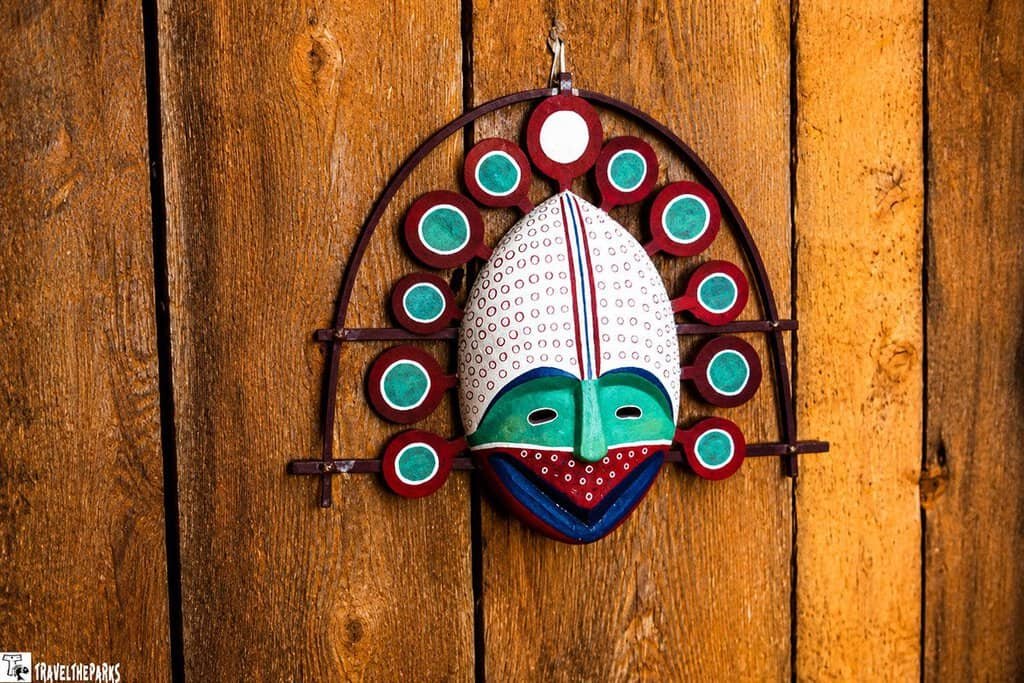
Grab a Bite at the Nanvaq Café
When you’re ready for a break, the Nanvaq Café offers breakfast and lunch options. There is also an outdoor eating area where you can sit down and enjoy a picnic lunch.
Shop for Authentic Alaska Native Art
The gift shop has a wide selection of crafts and artwork made by Alaska Native artists. While there is plenty to browse inside the shop, our favorite part was visiting the local artisans themselves.
In the Hall of Cultures, located on the lower level, Alaska Native craftspeople demonstrate their skills and talk with visitors about their work. We watched artists working with beads, making jewelry, creating baskets, and producing other traditional and contemporary artwork.
For us, this was one of the most memorable parts of the Alaska Native Heritage Center. We enjoyed talking with the artisans about their work, learning about the materials they use, and hearing the stories and meaning behind their designs. We could have easily spent much longer visiting each booth.
Ch’k’iqadi is a Dena’ina Athabascan word meaning “the things we buy,” and we did purchase a few items from the Native vendors to take home to family members. My favorite was a beautiful sea otter purse.
Look for the Silver Hand Logo

TIP: If you’re shopping for Alaska Native art, look for the Silver Hand logo. The Silver Hand program helps buyers identify authentic Alaska Native-made artwork and supports Native artists by distinguishing their work from products that may be marketed as Native-inspired but aren’t made by Alaska Native artists.
For us, purchasing directly from the artists was part of the experience. We weren’t just buying a souvenir—we were meeting the people who created the artwork and learning something about the culture and traditions behind it.
Visit the Hall of Cultures at the Alaska Native Heritage Center
The Hall of Cultures inside the main building is another place where you can slow down and learn about the incredible diversity of Alaska Native peoples. The exhibits feature beautiful artifacts and informative displays that introduce visitors to the different cultures, traditions, and ways of life found throughout Alaska.
We spent about 40 minutes in the Hall of Cultures, looking at the artifacts and reading the placards that explained the history and traditions of the different cultural groups. The written descriptions were especially helpful because they provided context for the artwork, clothing, tools, and other objects on display.
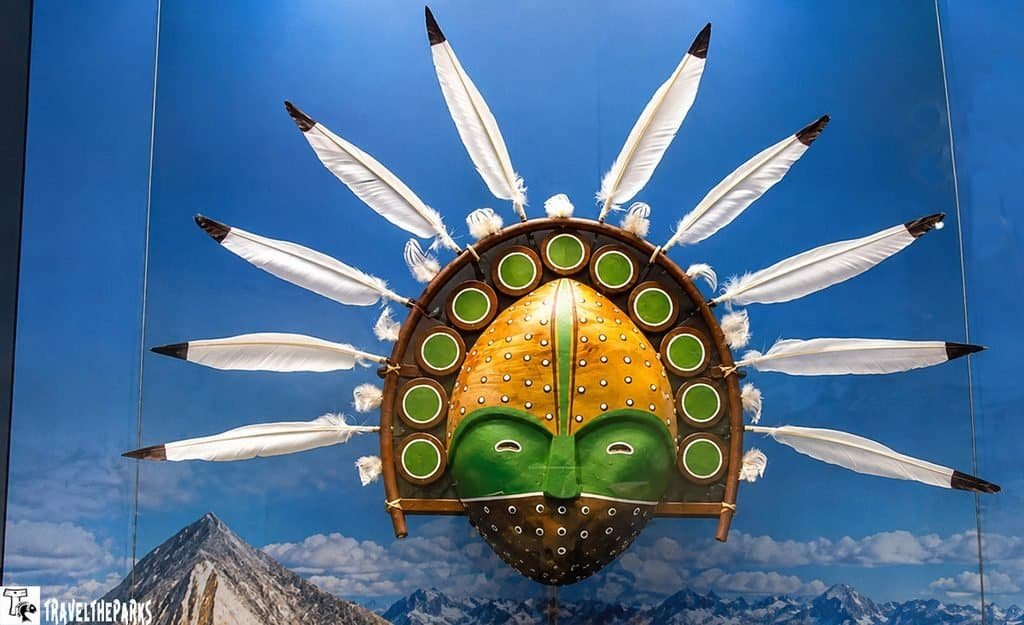
Alaska is home to numerous distinct Alaska Native cultures, each with its own traditions, languages, history, and relationship with the land and water. Exhibits in the Hall of Cultures represent major cultural groups and regions, including Athabascan, Iñupiaq and St. Lawrence Island Yupik, Yup’ik and Cup’ik, Unangax̂ (Aleut), Alutiiq, Eyak, Tlingit, Haida, and Tsimshian.
What we appreciated most was seeing how different these cultures are while also learning about the deep connections they have to the land, sea, animals, family, and community. The exhibits span history through the present day, helping visitors understand that Alaska Native cultures aren’t simply part of Alaska’s past—they remain vibrant and living cultures today.
If you’re interested in learning more about the people and cultures of Alaska, don’t rush through the Hall of Cultures. Allow yourself some time to read the displays and look closely at the artifacts. It adds another layer of understanding to the performances, Native dwellings, and cultural demonstrations you’ll experience throughout the rest of the Alaska Native Heritage Center.
Walk the Lake Tiulana Loop and Village Sites
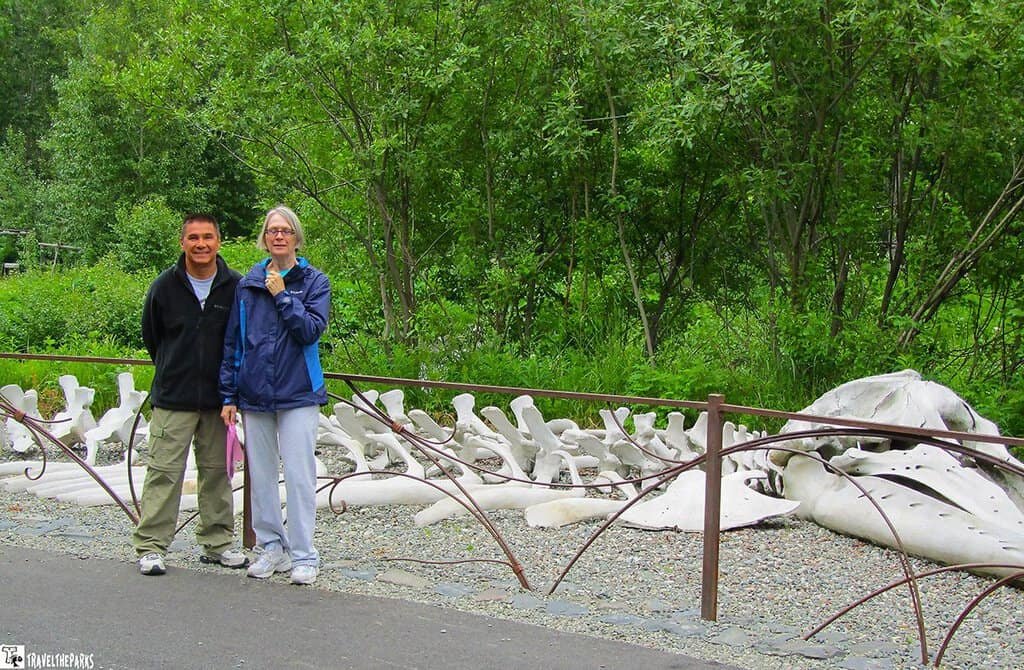
Outside the main building, the Alaska Native Heritage Center continues with a series of outdoor exhibits and cultural experiences. One of the best ways to explore them is by taking the ½-mile loop around Lake Tiulana.
You can walk the path on your own, but we definitely recommend joining a guided village site tour if your schedule allows. Having a guide makes the experience much more meaningful because you can ask questions along the way and learn about the homes, tools, materials, and traditions you’re seeing rather than simply walking past them.
When we visited, guided village site tours were offered at 10:15 a.m., 12:15 p.m., 2:00 p.m., and 3:30 p.m. There were also interactive audio tours available through an app for Android, iPhone, or iPad, with devices available to rent from the ticketing desk.
Explore the Native Village Sites
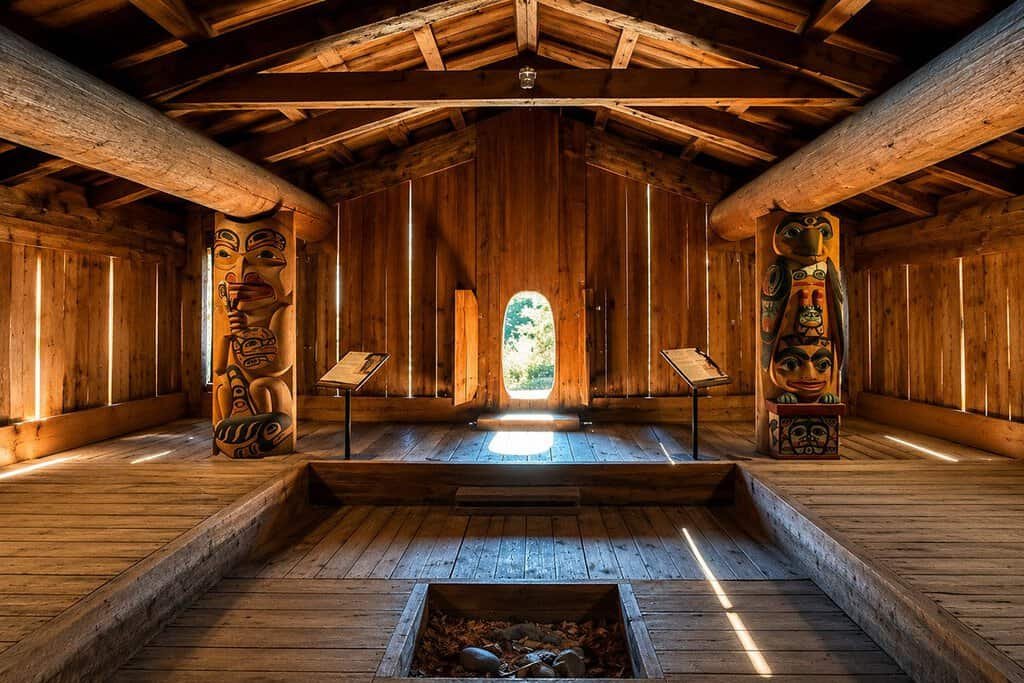
Along the loop, you’ll encounter six life-sized replica Native dwellings representing different Alaska Native cultures. Each village site reflects how people adapted their homes, tools, clothing, and daily lives to the environment and resources available in their region.
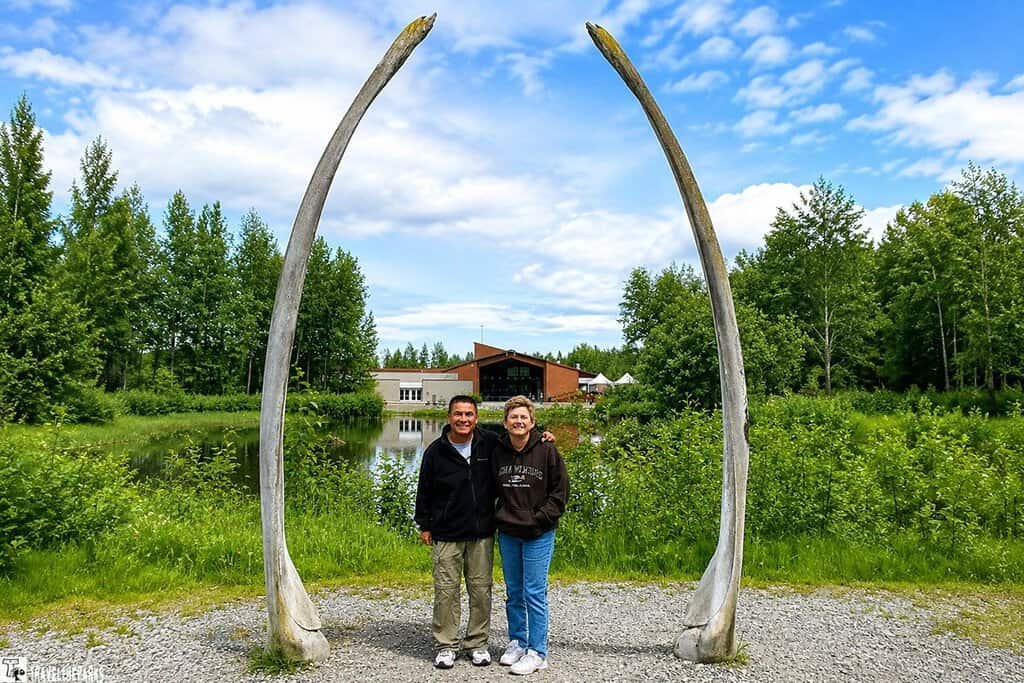
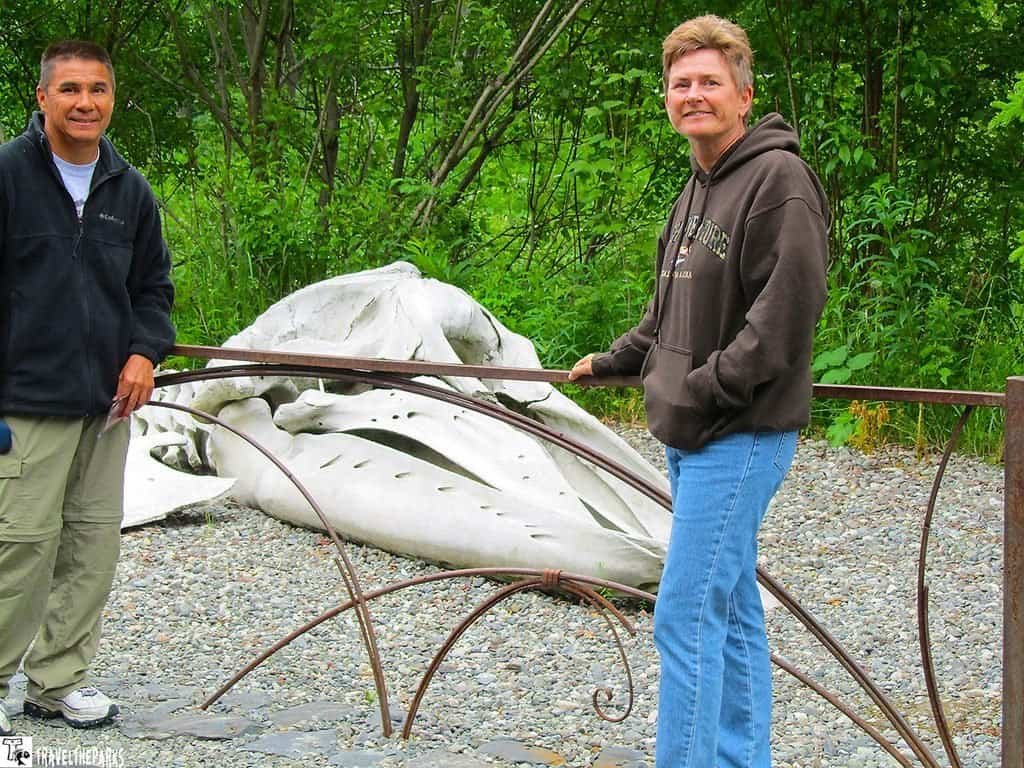
As you explore, look for details that make each site unique, including traditional structures, artifacts, and cultural displays. The whale-bone arch is particularly impressive and makes a memorable photo opportunity.
Inside the dwellings, young volunteers shared information about the tools, animals, hides, entrances, and other features of each home. They explained how people used the materials available in their environment to build shelters and survive in some of Alaska’s most challenging conditions.
The interpretive signs add even more information, but we found the conversations with the volunteers especially valuable. Rather than simply looking at a replica house, we were able to ask questions and get a better understanding of how people actually lived.
Learning About Traditional Materials
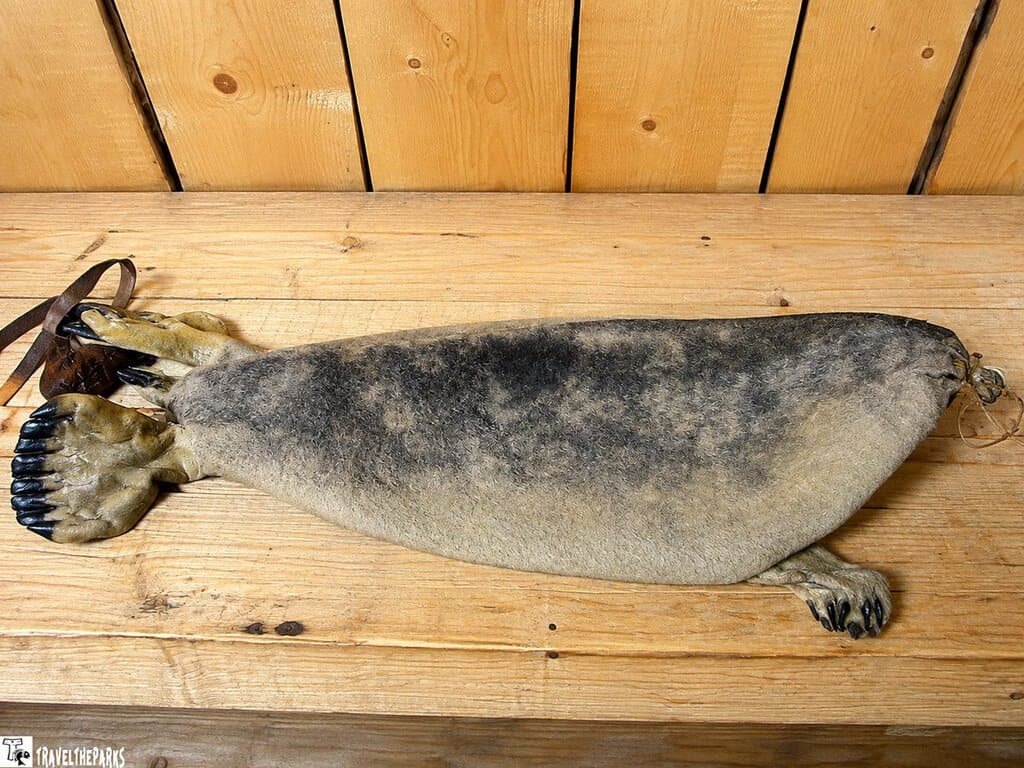
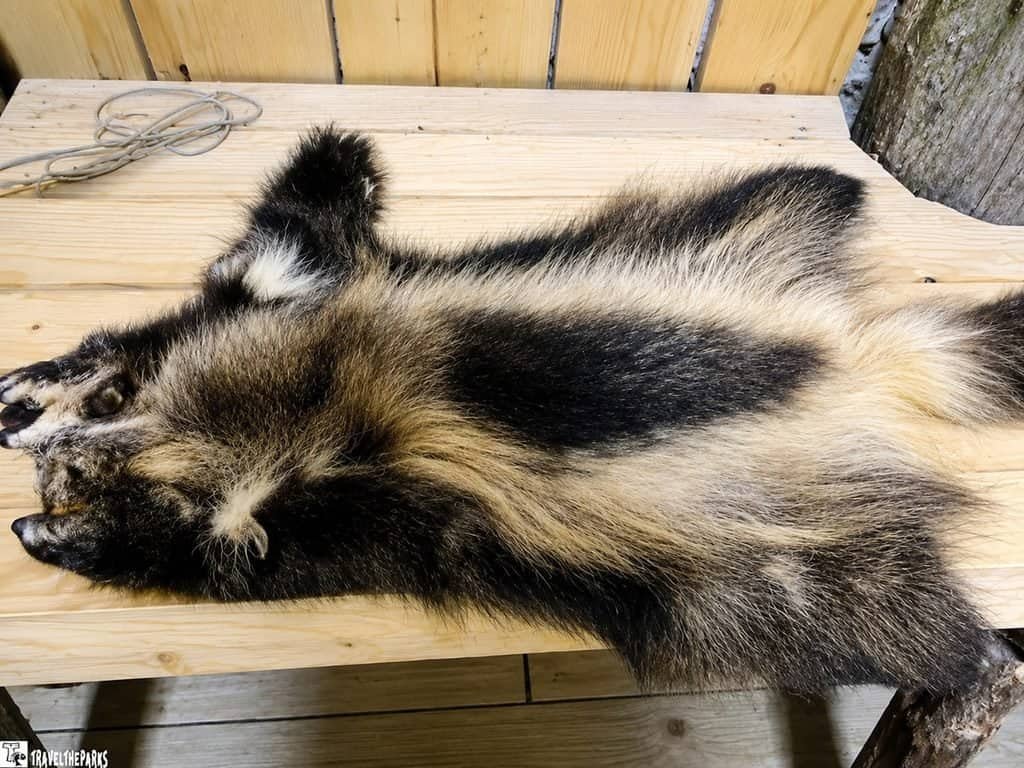
One of the more memorable parts of the village walk was being able to touch some of the animal skins and learn how different materials were used. The volunteers explained how seal-intestine parkas could provide waterproof protection, how the hollow hairs of polar bear fur help retain warmth, and how sea otter hide naturally repels water.
What really stuck with us was the idea that each culture made use of what was available in its particular environment. The land and sea provided the materials people needed for clothing, shelter, tools, food, and other necessities.
We also appreciated seeing younger generations involved in sharing this knowledge. Youth, adults, and elders all play a role in keeping traditions and cultural knowledge alive.
By the time we finished the village walk, we felt like we had learned something genuine about Alaska Native cultures rather than simply reading about them in a museum display. The experience gave us a much better appreciation for how closely these cultures are connected to the land, the animals, and the resources around them.
Most interesting was being able to feel the animal skins. The volunteers explained how seal intestine parka is naturally waterproof, polar bear fur is hollow to prevent loss of heat, therefore ideal for winter warmth and the water repellent hide of the sea otter. However, each culture used what was available in order to survive. Remarkably, how the youth, adults, and elders alike collaborate to share their experiences continuing their traditions. We came away with an appreciation and a better understanding of how these cultures lived.
Need-to-Know Facts About the Alaska Native Heritage Center Villages
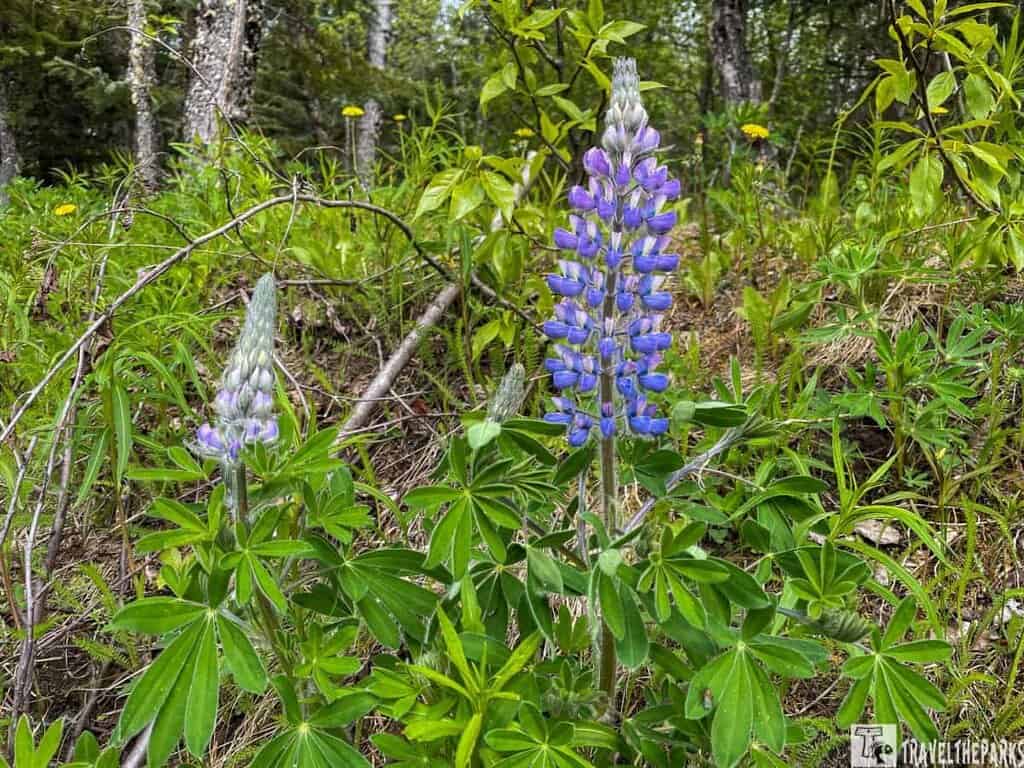
The village sites are one of the most interesting parts of the Alaska Native Heritage Center because they show how different Alaska Native cultures adapted their homes, clothing, transportation, and daily lives to the environments where they lived. Here are a few things to look for as you make your way around Lake Tiulana.
Tlingit, Haida, and Tsimshian
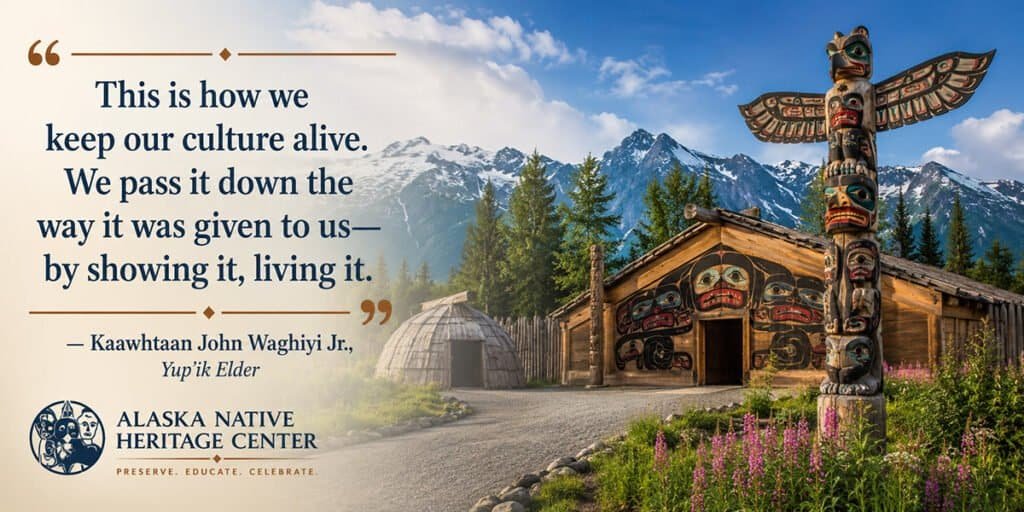
The Tlingit, Haida, and Tsimshian peoples are well known for their highly developed woodworking and carving traditions. Totem poles and other carvings often depict animals, ancestors, and important stories or cultural traditions.
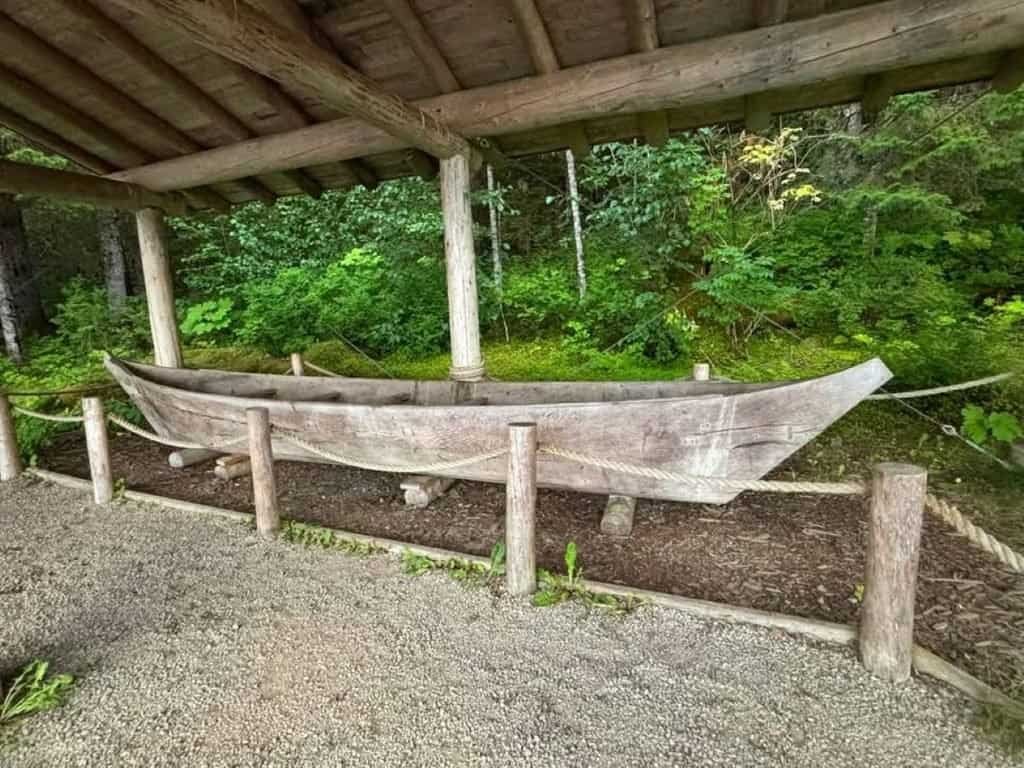
Their location along the Southeast Alaska coast also made travel by water an essential part of life. Dugout canoes, made by hollowing large trees, provided an efficient way to travel between communities and fishing and hunting areas.
The Tlingit/Haida longhouse is one of the most striking structures on the village walk. Traditionally, large clan houses provided living space for extended families and communities. The design reflected the resources available in the heavily forested coastal environment.
Aleut, Alutiiq, and Eyak
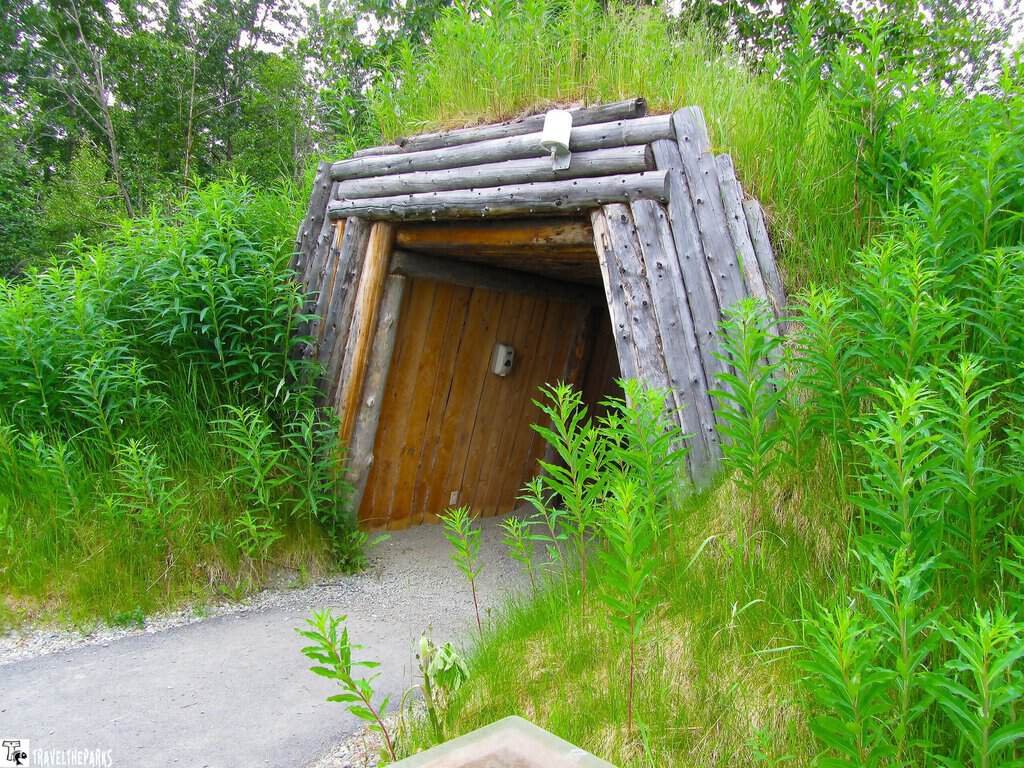
The Aleut (Unangax̂), Alutiiq, and Eyak peoples traditionally lived in coastal environments where the sea provided an abundance of food and materials. Some traditional dwellings were partially underground or semi-subterranean, using the earth as insulation against the cold.
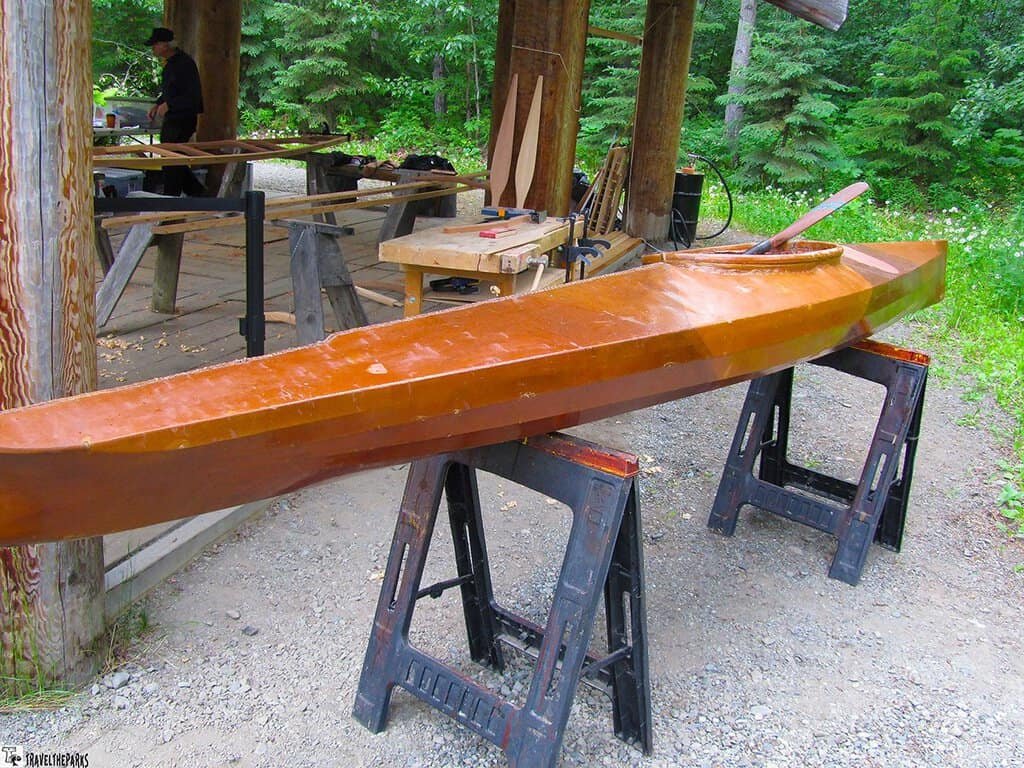
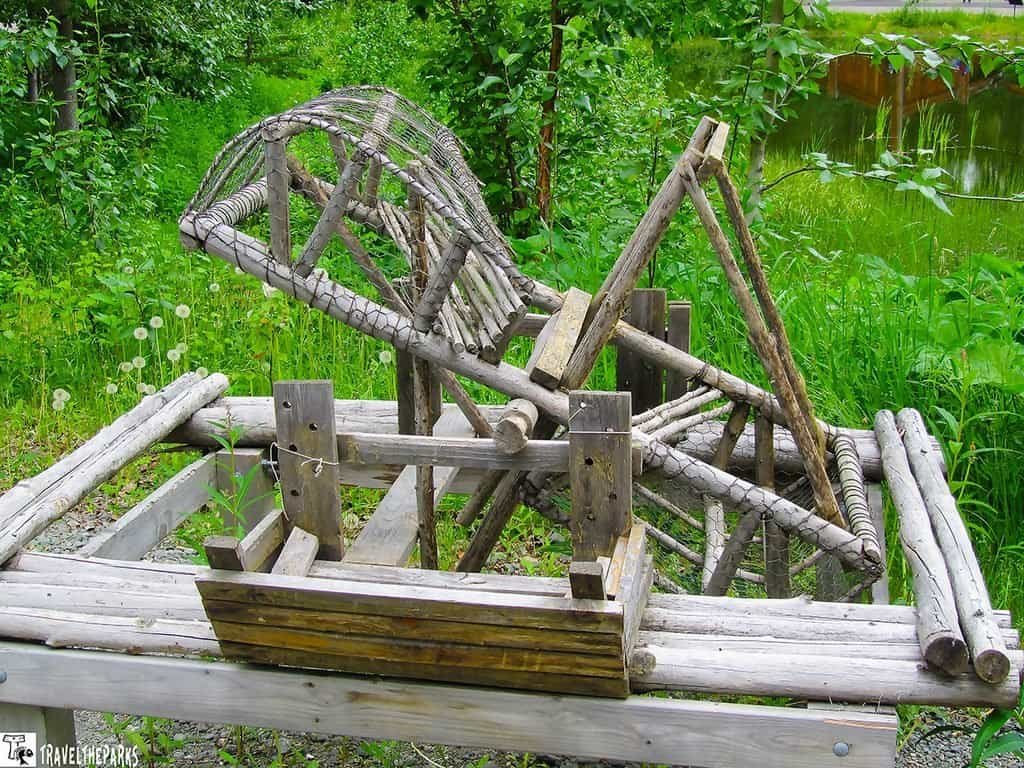
Whale bones and other locally available materials could be incorporated into structures, while animal skins were used for clothing and other necessities. Along the coast, boats were essential for hunting and transportation. The Unangax̂ developed the iqyax, while the Alutiiq used the qayaq, both designed for travel and hunting on the water.
Athabascan
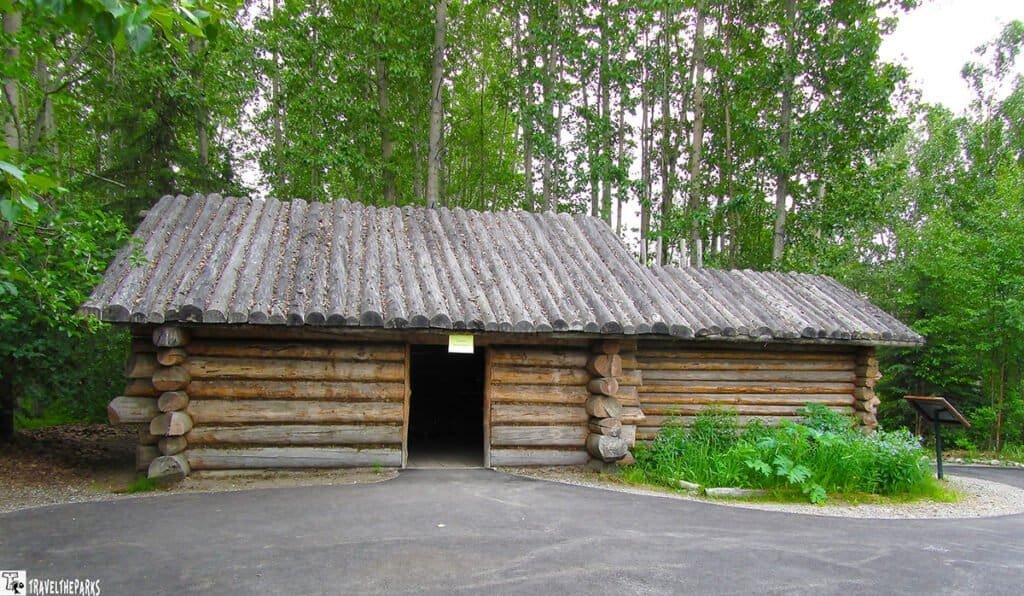
The Athabascan peoples of Interior Alaska traditionally followed seasonal patterns of hunting, fishing, gathering, and trapping. Rather than remaining in one location year-round, many communities moved between established seasonal areas as different food resources became available.
The interior environment required a remarkable knowledge of the land and its resources. Rivers and lakes provided important fishing grounds, while hunting and trapping supplied food, clothing, and materials for everyday life.
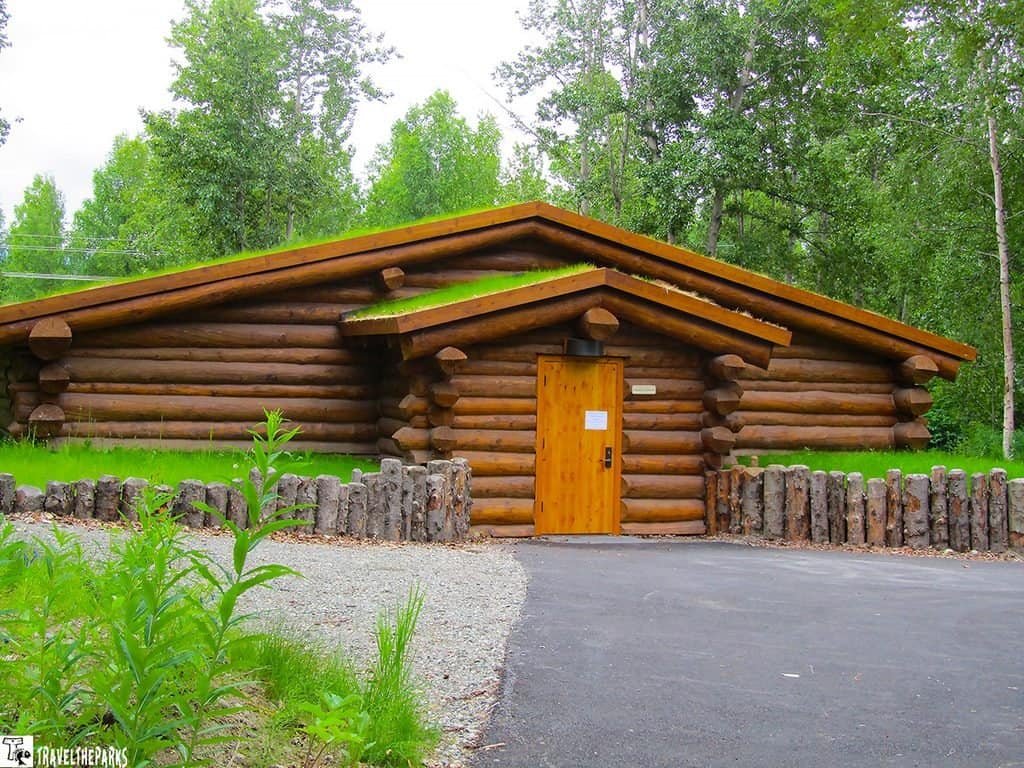
Iñupiaq and St. Lawrence Island Yupik
The Iñupiaq and St. Lawrence Island Yupik peoples developed ways of living that were especially well suited to the Arctic environment. Traditional semi-subterranean homes used the earth for insulation and protection from the harsh weather.
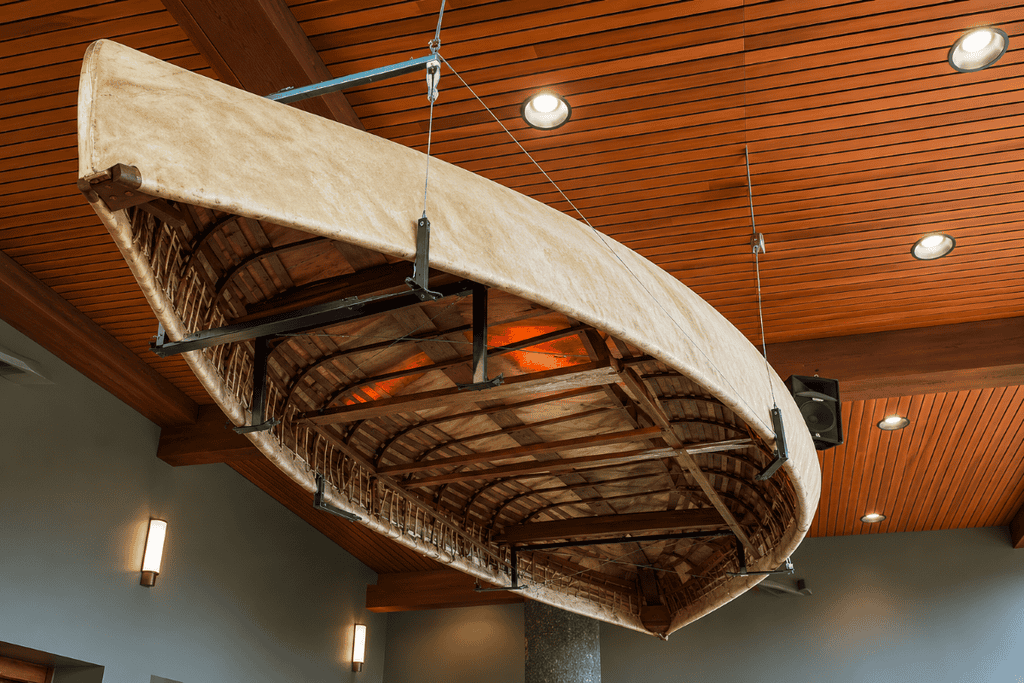
The sea was central to life in many coastal communities. Skin boats, including large boats used for whaling, provided transportation and allowed hunters to pursue whales, seals, and other marine resources. Fishing and hunting supplied food as well as materials for clothing, tools, and other necessities.
Yup’ik and Cup’ik
The Yup’ik and Cup’ik peoples traditionally built communities around seasonal activities and the resources of the Yukon-Kuskokwim Delta and surrounding regions. Community gathering places played an important role in social and cultural life.
A qasgiq, or men’s community house, was used for gatherings, ceremonies, teaching, and other community activities. Women and girls traditionally had their own gathering and living spaces, known as an ena.
Clothing and tools made from materials such as seal and other animal skins were carefully designed for the local environment. Hunting, fishing, food preparation, sewing, and other skills were shared within families and communities, with different responsibilities traditionally assigned according to age, gender, and circumstance.
Seeing the Differences for Yourself
Walking through the village sites makes it much easier to understand just how diverse Alaska Native cultures are. The homes may look dramatically different from one village to another, but there is a common theme: people used the materials and resources available around them to create what they needed to live in their particular environment.
That was one of our biggest takeaways from the Alaska Native Heritage Center. The village walk isn’t simply a collection of replicas. It helps put the history, traditions, and cultural information from the Hall of Cultures and dance performances into a physical setting you can explore.
Sled Dog Demonstration at the Alaska Native Heritage Center
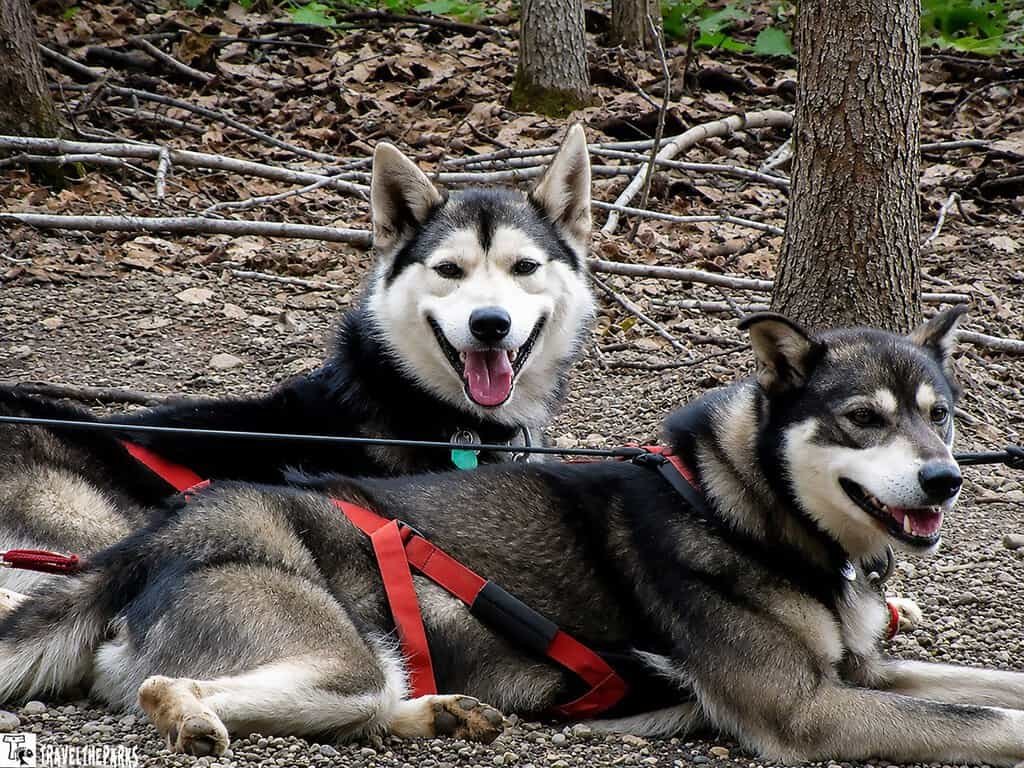
One of the unexpected highlights of our visit to the Alaska Native Heritage Center was the sled dog demonstration. At the time of our visit, the sled dog enclosure was hosted by John Baker, an Iditarod champion who won the 2011 Iditarod Trail Sled Dog Race.
The dogs were clearly more than just a tourist attraction—they were working sled dogs, and you could see how much they loved to run and work together. During our visit, there was also a litter of eight-week-old puppies, and we were lucky enough to spend some time holding and cuddling them. Needless to say, that was a pretty memorable part of our day!
Dog Sled Ride
John also offered a short ride through the forest using a wheeled sled, giving visitors a chance to experience a little of what it’s like to work with a sled dog team even during the summer months when there isn’t enough snow for a traditional sled.
The ride was fairly short, but John provided a narration about the history of dog sledding and the role sled dogs have played in Alaska. We also appreciated how accommodating he was when we asked to take photographs of the dogs.
For us, the demonstration was a fun addition to the village walk, but it was also educational. Dog sledding isn’t simply a recreational activity in Alaska—it has deep roots as a practical means of transportation and remains an important part of Alaska’s history and culture.
Tip: If sled dogs are on your must-see list, check the current Alaska Native Heritage Center schedule before your visit. Demonstrations, handlers, activities, and availability can change from season to season.
Alaska Native Heritage Center Traditional Games & Demonstrations
Two-Foot High Kick
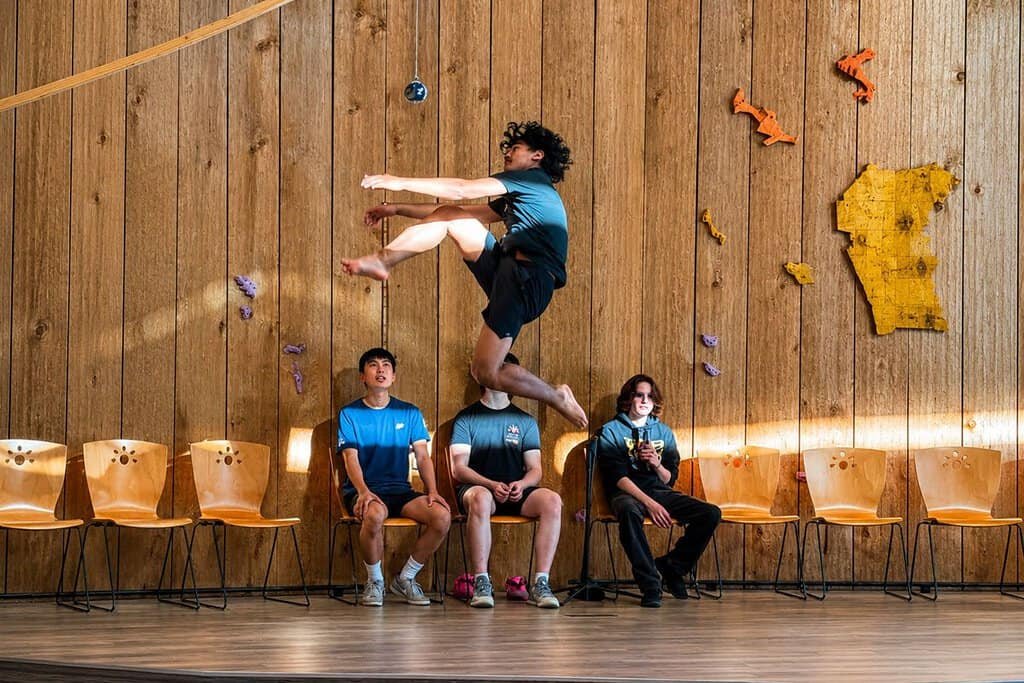
If you’re lucky, you may catch a demonstration of traditional Alaska Native games at the Gathering Place. These games require an impressive combination of strength, flexibility, balance, and athleticism. Many are featured in the World Eskimo-Indian Olympics (WEIO) and have deep cultural roots, including games that helped young people develop the skills and physical abilities needed to thrive in Alaska’s challenging environment.
One of the first games we watched was the Two-Foot High Kick. The goal is to jump from a standing position, using both feet to reach a small target suspended from a pole by a string. The athlete must kick the target with both feet at the same time, then land with both feet touching the ground together while maintaining balance. It looks simple when you first see it, but the amount of coordination, flexibility, and strength required is remarkable.
There is also a fascinating story behind the Two-Foot High Kick. Traditionally, when a community harvested a whale, a young runner would race back toward the village to deliver the news. As the runner approached, he would leap into the air and perform the high kick, signaling to everyone that a whale had been successfully caught.
The signal meant the villagers could begin preparing for the work ahead. Harvesting and bringing a whale ashore was a tremendous undertaking, and the entire community would come together to help with the labor of beaching and processing the whale. The catch would then be shared among the community.
Watching the athletes perform the Two-Foot High Kick gave us a whole new appreciation for these traditional games. They weren’t simply athletic competitions—they were connected to real-life skills, community traditions, and the challenges of living in Alaska.
One-Handed Reach
Next, a young girl demonstrated the One-Handed Reach, another traditional Alaska Native game that requires an incredible combination of balance, flexibility, and upper-body strength.
For this game, a ball is suspended from a string at a specific height above the floor. The athlete places their weight on one hand and balances with one elbow tucked underneath the lower abdominal area. With the rest of the body extended nearly parallel to the floor, the athlete uses the free hand to reach upward and touch the suspended target.
The challenge doesn’t end when the target is touched. The athlete must bring the reaching hand back to the floor before any other part of the body touches down. It takes tremendous control and balance to complete the movement successfully.
The goal is to reach as high as possible while maintaining the proper position. The game demonstrates just how much balance, flexibility, coordination, and strength these traditional games require.
Not surprisingly, height can be an advantage in a reaching event, but simply being tall certainly isn’t enough. The athlete still needs the strength and control to hold the position and complete the reach.
The most impressive performance we saw that day came from a young man who completed a one-leg kick with the ball suspended about 10 feet above the floor. Watching these athletes perform made it easy to understand why traditional Alaska Native games are such a remarkable display of athletic ability.
Final Thoughts: Experience Alaska’s Indigenous People
“Experience Alaska’s Indigenous People” is the motto of the Alaska Native Heritage Center, and after spending several hours here, we can honestly say that is exactly what we experienced.
What makes the center so fascinating is that you aren’t simply walking through a museum and looking at displays. You can watch Native dancers perform traditional songs and dances, walk through the village sites, learn about traditional games, talk with Native artisans, and see how people adapted to the land and resources around them. Some of the young guides we met were especially great, sharing funny little tidbits and personal stories that made the experience feel much more relaxed and memorable.
For us, the Alaska Native Heritage Center was one of those places where we walked away knowing we had learned something meaningful. The center does an excellent job of showing why cultural preservation matters and helping visitors better understand the traditions, values, skills, and stories that have been passed down through generations.
If you’re planning an Anchorage visit, we highly recommend making time for the Alaska Native Heritage Center. Allow at least four hours if you want to experience the center without feeling rushed. It is an easy addition to an Anchorage day and especially convenient if you’re heading out along the Glenn Highway as part of your Alaska road trip.
We definitely think it belongs on your Alaska itinerary. More than just another sightseeing stop, it gives you a chance to connect with the people, cultures, and history that make Alaska such a unique place to visit.
Have you visited the Alaska Native Heritage Center? We would love to hear about your experience. Share a comment below!
Planning a 10-Day Alaska Road Trip?
If the Alaska Native Heritage Center is part of your Anchorage plans, you may also want to take a look at our Plan Your 10-Day Alaska Itinerary. We’ve put together a road-trip route that combines Anchorage with some of Alaska’s most memorable scenery, wildlife, and cultural experiences. It’s a helpful starting point if you’re trying to figure out where to go, how long to stay, and how to make the most of your time in Alaska.
Alaska Native Heritage Center FAQ
Is the Alaska Native Heritage Center worth visiting?
Absolutely. We think the Alaska Native Heritage Center is one of the best cultural experiences you can add to an Anchorage itinerary. The combination of Native dance performances, traditional village sites, cultural demonstrations, Native artists, and hands-on experiences makes it much more than a traditional museum visit.
How long do you need at the Alaska Native Heritage Center?
We recommend allowing at least four hours to experience the center without feeling rushed. If you want to attend several performances, take the village tour, visit the Hall of Cultures, watch demonstrations, and spend time talking with the artisans, you could easily spend most of a day here.
What can you see at the Alaska Native Heritage Center?
There is quite a bit to see and do, including the Gathering Place and Native dance performances, the six traditional village sites around Lake Tiulana, cultural demonstrations, traditional games, the Hall of Cultures, Native artists and artisans, theater presentations, and seasonal activities such as sled dog demonstrations.
How far is the Alaska Native Heritage Center from downtown Anchorage?
The center is located about 10 miles north of downtown Anchorage, just off the Glenn Highway. It’s an easy addition to an Anchorage sightseeing day, especially if you’re beginning or continuing a road trip along the Glenn Highway.
Can you visit the Alaska Native Heritage Center without a car?
Yes. The center has offered a free shuttle from several locations in downtown Anchorage, making it possible to visit without renting a car. Because shuttle routes and schedules can change, check the current schedule when planning your visit.
What are the six Native village sites at the Alaska Native Heritage Center?
The outdoor village sites represent different Alaska Native cultural groups and showcase traditional dwellings, tools, clothing, transportation, and ways of life. Walking the loop around Lake Tiulana gives you an opportunity to see how different cultures adapted to the environments and resources available in their regions.
What should you not miss at the Alaska Native Heritage Center?
If your time is limited, we would prioritize the Gathering Place dance performances and demonstrations, the guided village walk around Lake Tiulana, and the Hall of Cultures where you can meet Native artisans. We also really enjoyed the traditional games and sled dog demonstration during our visit.
Is the Alaska Native Heritage Center good for families?
Yes. The combination of outdoor village sites, demonstrations, traditional games, cultural performances, and opportunities to interact with artists makes the center engaging for a range of ages. Children may especially enjoy the hands-on aspects and the traditional games.