Table of Contents
Updates September 2026
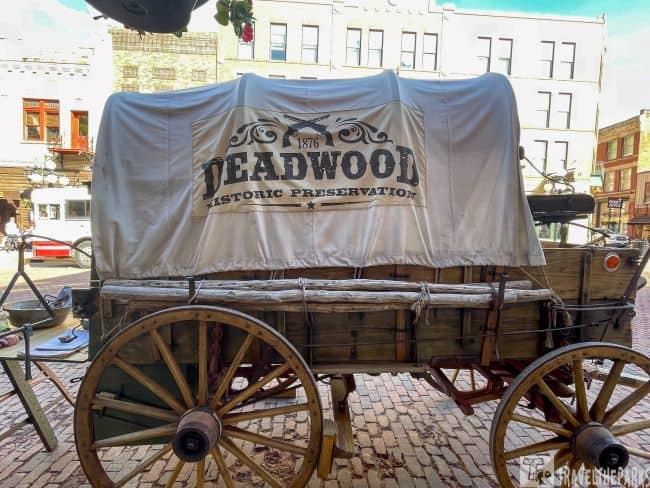
Visiting Deadwood, South Dakota, feels like stepping straight into the Wild West. Tucked away in the beautiful Black Hills, this legendary frontier town is filled with fascinating history, colorful characters, and the rugged charm of the American West.
One visit to Deadwood, and you may feel less like a traveler and more like a time traveler. Walk along Historic Main Street, and it is easy to imagine the gold rush days when prospectors, gamblers, outlaws, and dreamers crowded the streets looking for their fortune.
This is where legendary figures like Wild Bill Hickok, Calamity Jane, Preacher Smith, and Poker Alice became part of Deadwood’s colorful history. Their stories are still woven throughout the town, making it easy to imagine what life was like during those wild frontier days.
But Deadwood isn’t just about history. Exploring Deadwood means experiencing a town where the past still feels alive. Wander the historic streets, step inside old saloons, visit museums and historic sites, and discover the stories behind the people who helped make Deadwood one of the most famous Wild West towns in America.
So, if you’re ready to embrace the Wild West, Deadwood is the perfect place to start. With its fascinating history, historic buildings, lively atmosphere, and beautiful Black Hills setting, this is one South Dakota destination you won’t want to miss.

This post may contain affiliate links, meaning if you purchase something through one of these links, we may earn a small commission at no extra cost to you! Read the full disclosure policy here.
Where is Deadwood, South Dakota? How do I get there?
If you’re visiting Deadwood, South Dakota, you’ll find this historic town tucked into the northern Black Hills, just off I-90. Deadwood is easy to reach and makes a great home base for exploring many of the Black Hills’ most popular attractions.
Deadwood also attracts fans of the award-winning HBO Western series Deadwood, which is set in the 1870s. The show introduced many viewers to the town’s colorful history and legendary characters. Today, visitors come hoping to experience the real Deadwood and learn more about the people and events that shaped more than 100 years of its history.
Deadwood is also a convenient home base for exploring several of the Great 8 destinations in South Dakota. If you’re planning a larger Dakotas adventure, check out our The 8 Great Destinations in the Dakotas: Beyond the Postcards guide for an overview of these unforgettable places.
From Deadwood, several popular attractions are within an easy day trip, including Mount Rushmore, Crazy Horse Memorial, Custer State Park, Wind Cave National Park, and Jewel Cave National Monument.
If you’re planning a bigger trip through the Dakotas, our Ultimate South Dakota and North Dakota Road Trip: 15 Unforgettable Stops is a great place to start. It brings together our favorite stops and helps you plan a complete Dakotas road trip.

Getting to Deadwood
The closest commercial airport is Rapid City Regional Airport (RAP), about 50 miles southeast of Deadwood. Rental cars are available at the airport, and having a car is the easiest way to reach Deadwood and explore the surrounding Black Hills.
From Rapid City, take I-90 west toward Sturgis. Continue approximately 45 miles before taking US-14A west toward Deadwood. Follow US-14A for about 12 miles into town.

Getting to Deadwood from Wyoming
If you’re coming from Wyoming on I-90, take Exit 17 toward Deadwood, just beyond the Spearfish area. From there, it’s about 8 miles to Deadwood’s historic downtown.
Once you arrive, getting around Deadwood is easy. The historic downtown area is compact and walkable, with signs directing visitors to casinos, museums, historic landmarks, and other attractions.
Having a car is still helpful if you plan to explore the surrounding Black Hills and visit nearby attractions.

Credit S. Bandolik
Embrace the Wild West Adventure in Deadwood: The Gold Rush Era
It all started with gold. In 1874, gold was discovered in the Black Hills near French Creek, setting off a rush of prospectors eager to find their fortune. Just two years later, Deadwood sprang to life in the northern Black Hills. Prospectors, gamblers, entrepreneurs, and homesteaders poured into the area, creating a rough-and-tumble frontier town almost overnight.
Deadwood quickly became known for its colorful characters and lawless reputation. Gold seekers arrived hoping to strike it rich, while gamblers and gunslingers followed the crowds. Among them were some of the most recognizable names of the American West, including Wild Bill Hickok and Calamity Jane.
The town’s fascinating history is one of the reasons visiting Deadwood, South Dakota is such a memorable experience. This isn’t a reconstructed Old West town built for tourists. Deadwood is a real historic community, and its historic buildings and streets tell the story of the people who lived, worked, gambled, and sometimes met their fate here.

Deadwood Becomes a National Historic Landmark
In 1961, Deadwood was designated a National Historic Landmark District, recognizing its importance to American history. Today, you can walk through the same historic district where miners and merchants once went about their daily lives. Historic buildings, museums, saloons, and preserved landmarks bring those early days of Deadwood back to life.
Deadwood has survived fires, floods, economic changes, and more than a century of transformation. Yet somehow, the town has managed to hold onto its frontier personality. The Wild West may be part of the past, but its spirit is still woven into the character of Deadwood.
Of course, Deadwood is much more visitor-friendly today than it was during the gold rush. You’ll find restaurants, shops, casinos, hotels, museums, and plenty of things to do. But wander down Historic Main Street, look at the old buildings, and learn the stories behind the famous characters, and you’ll quickly understand why Deadwood remains such a fascinating place to visit.
So come explore this legendary Black Hills town and experience a little of the Wild West for yourself. In Deadwood, the past isn’t simply something you read about—it surrounds you.

Discover the Wild West Charm of Deadwood: Start at the Visitors Bureau
When you’re visiting Deadwood, South Dakota, a good place to start is the Deadwood Chamber of Commerce & Visitors Bureau. Stop in for a map, ask about current events, and get some local tips before you begin exploring the historic town.
The Visitors Bureau is housed in a historic railroad depot built in 1897. The depot once served the trains that brought people and supplies into Deadwood. Today, the building has been transformed into a welcoming visitor center where you can learn a little about Deadwood’s history while getting information to help plan your visit.
You’ll find clean restrooms, historical exhibits, maps, brochures, and knowledgeable staff who can answer questions about the area. When we visited, the volunteer behind the counter was especially helpful. She told us when the scheduled shoot-outs would take place, marked several must-see spots on our map, and shared plenty of interesting information about Deadwood.
Don’t skip this stop. A few minutes here can help you get your bearings and make the most of your time in town.

Parking in Deadwood
A quick word about parking: pay attention to the signs and meters. Paid parking is available on Main Street, in city lots, and near the Visitors Bureau depot. During our visit, meters were enforced until 8:00 p.m., so be sure to check the current parking regulations when you arrive.
If you find a metered street space, parking was $1 per hour during our visit. Rates and parking regulations can change, so check the posted information before leaving your vehicle.
Once you have your map and a few local recommendations, you’re ready to explore. From historic buildings and museums to famous landmarks and Wild West legends, there’s plenty to discover in Deadwood.

Explore Deadwood, the Heart of the Wild West: What to See and Do
Let’s be real—Deadwood knows how to draw a crowd. The summer months can be especially busy, and parking spaces disappear quickly. Our best advice is to arrive before noon. You’ll have a better chance of finding a parking spot and plenty of time to explore town without feeling rushed.
As you stroll along Historic Main Street, you’ll find casinos, bars, restaurants, and souvenir shops mixed in with Deadwood’s historic buildings. If gambling is your thing, you’ll certainly have plenty of opportunities to try your luck. Deadwood is one of the few places where gaming is actually part of the town’s history.
But gambling wasn’t what brought us to Deadwood. We came for the history—the people, stories, and landmarks that made this frontier town famous. And we found plenty of it.
Start Your Day with Breakfast
Before heading out to explore, we recommend starting your day with a good breakfast. We followed our own rule of eating where the locals eat and stopped at the Deadwood Miners’ restaurant t.
It was a cozy, down-home spot and just what we needed before spending the day walking around town. We enjoyed a hearty breakfast and took our time soaking in the atmosphere before heading out to explore Historic Main Street.
Look Beyond Main Street
While the casinos and shops are certainly part of modern Deadwood, don’t stop there. Take some time to wander the side streets and look closely at the historic buildings. Step inside the museums and historic sites, read the markers, and learn the stories behind the people who once called Deadwood home.
That’s where we found the real charm of Deadwood.
For us, the treasure wasn’t in a slot machine or a poker game. It was in discovering the history that still surrounds you as you walk through town.
Come for the Wild West atmosphere, but stay for the history. Deadwood has plenty to see and do, and taking the time to look beyond the obvious tourist attractions is what makes exploring this historic town so rewarding.

1. Take a Guided Walking Tour, Stagecoach, or Trolley Ride
One of the best ways to experience Deadwood is to let someone else tell you the stories. Whether you prefer walking through the historic district, riding a trolley, or taking a stagecoach, there are several fun ways to learn more about Deadwood’s Wild West past.
Lawman’s Patrol Walking Tour
If you enjoy exploring on foot, consider the Lawman’s Patrol narrated walking tour. The tour takes you through the heart of downtown, stopping at important landmarks while your guide shares stories about Deadwood’s colorful past.
The tour lasts about an hour and is a great way to get oriented before exploring the town on your own. We especially liked the opportunity to hear the history while actually standing in the places where it happened.

Ride the Deadwood Trolley
Not in the mood for a walking tour? The Deadwood Trolley offers an easy way to get around town while taking in the sights.
The trolley stops at several locations around Deadwood, including major hotels and visitor centers. It’s especially convenient if you’re spending the day exploring and want to give your feet a break.
During our visit, trolley rides were $2 per ride, with a $5 day pass for unlimited rides. Be sure to check the current fares and schedule before your visit, as prices and routes can change.

Take a Ride on the Deadwood Stagecoach
For a real taste of the Old West, climb aboard the Deadwood Stagecoach, operated by Deadwood Alive. The stagecoach travels around Main Street, passing many of the historic buildings that make Deadwood such a fascinating place to explore.
There’s something special about riding through an actual historic town in a stagecoach. For a few minutes, you can imagine what it must have been like to arrive in Deadwood during the gold rush era.
During our visit, tickets were available at Outlaw Square for $14, with rides offered Tuesday through Saturday from 11:00 a.m. to 4:00 p.m.
Whether you choose to walk, ride the trolley, or climb aboard a stagecoach, these tours offer a different perspective on visiting Deadwood, South Dakota. They’re a fun way to learn the stories behind the buildings and get a better feel for the town before continuing your exploration.

2. A Must-Visit Town for Wild West Lovers: Watch the Main Street Gunfight
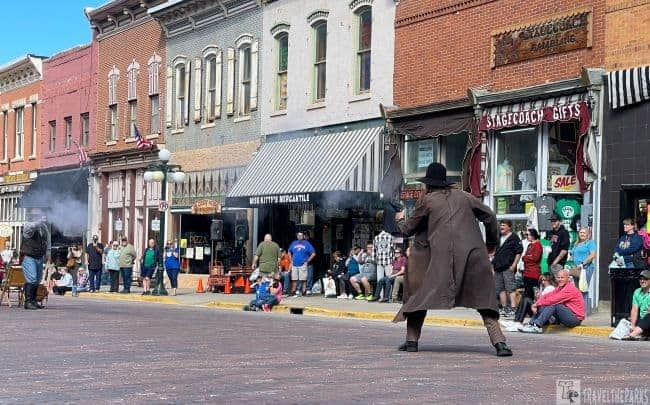
If you’re visiting Deadwood, South Dakota, don’t miss the Main Street gunfight. It’s one of the most entertaining ways to experience the town’s Wild West history, and it takes place right in the middle of Historic Main Street.
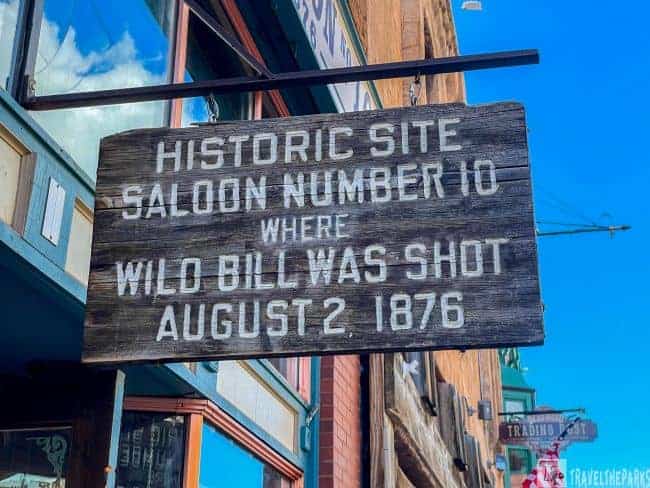
The reenactment takes place outside the famous Saloon No. 10, where Wild Bill Hickok was killed in 1876. The show brings that colorful period of Deadwood’s history to life with plenty of drama, gunfire, and Old West characters.
During our visit, there were three showtimes—2:00 p.m., 4:00 p.m., and 6:00 p.m. Best of all, the reenactment was completely free. Be sure to check the current schedule when planning your visit since times can change.
We wanted a good view, so we made a quick stop at Big Dipper Main Street Expresso for a cool, creamy ice cream before finding a spot along the curb. Families gathered along Main Street, and the crowd grew as showtime approached.

Then the action started.
The card game began, tensions rose, and suddenly—BANG! The first shot rang out, and I’ll admit it—I jumped. So much that the video I was taking turned into a shaky, jerky mess!
That’s part of what makes the reenactment so much fun. You’re standing on an actual historic street, watching actors recreate a story connected to the people and events that made Deadwood famous.
After the show, the reenactors stick around for photos. Yes, it’s theatrical. Yes, it’s a little corny. But that’s part of the charm. You’re there to have fun while getting a glimpse into Deadwood’s Wild West past.
Like us just grab an ice cream, find a spot along Main Street, and enjoy the show. Just remember to hold onto your phone when that first shot rings out!

3. Saloon No. 10: Deadwood’s Legendary Bar with a Wild West Past
Every town has its stories, but Deadwood has one that has become part of American Western folklore. Long before we visited this frontier town, we had read about August 2, 1876, and the man whose death would forever be connected to Deadwood: James Butler “Wild Bill” Hickok.
Hickok was playing poker at Nuttal & Mann’s Saloon when Jack McCall shot him in the back of the head. The hand of cards he was reportedly holding—aces and eights—became known as the “Dead Man’s Hand.” The story has become one of the most famous legends of the American West.
Today, Saloon No.10 keeps that history alive. The original Nuttal & Mann’s Saloon was destroyed in the devastating fire of 1879 that swept through much of Deadwood. The building you see today is not the original saloon, but it is filled with Wild West memorabilia and reminders of Hickok’s connection to the town.
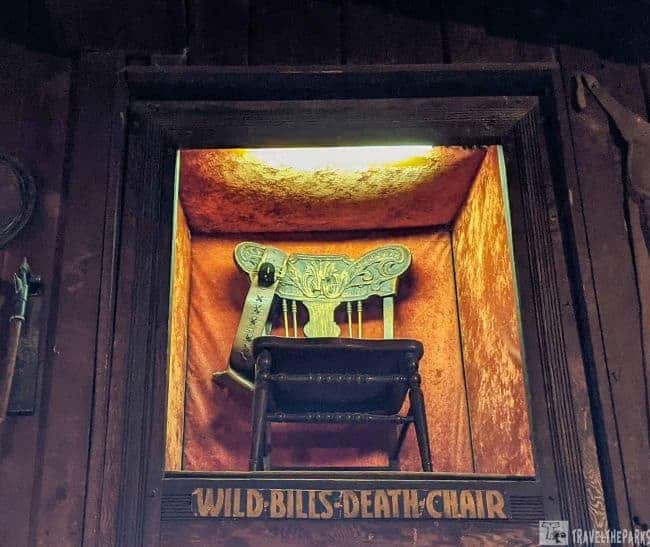
One of the saloon’s most photographed pieces is the chair associated with Wild Bill’s final poker game. Whether you’re a serious history buff or simply fascinated by Old West stories, it’s hard not to imagine the scene that unfolded here nearly 150 years ago.

Take the Saloon No. 10 Tour
For an additional fee, you can take a short tour of the saloon’s basement. During our visit, the approximately 20-minute tour offered a closer look at Wild Bill Hickok’s story, including a card table associated with the famous poker game.
For us, this was one of those experiences that made Deadwood’s history feel much more real. You’re not simply reading about a famous event—you are standing in a place connected to the story.
And there’s another fascinating piece of Deadwood history beneath your feet.
After the Great Fire of 1879, Deadwood raised portions of its street level by about ten feet to help address flooding problems. That means the lower level you see today provides a glimpse of the earlier street level and gives visitors another perspective on how the town rebuilt itself after the fire.
If you’re visiting Deadwood, South Dakota, Saloon No. 10 is worth adding to your itinerary. Step inside, explore the memorabilia, and learn the story behind one of the most famous episodes in Deadwood’s Wild West history.
It’s another reminder that in Deadwood, history isn’t just something you read about. Sometimes, it’s right beneath your feet.

4. Explore Deadwood’s Wild West Spirit
Deadwood’s history isn’t just about gold miners and gunslingers. It’s also about the men and women who helped build the town, rebuild it after devastating fires, and turn a rough mining camp into the historic community you can visit today.
One of those people was Seth Bullock. Born in 1849, Bullock became one of Deadwood’s most influential early residents. Along with his business partner, Sol Star, he opened a hardware store on Main Street and later became Deadwood’s first sheriff.
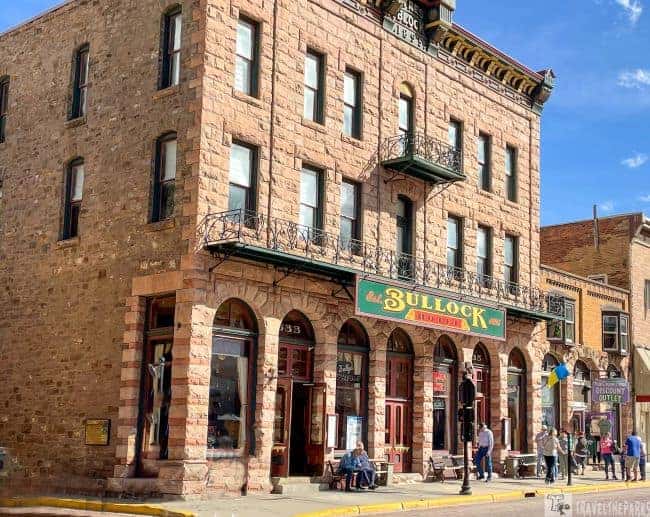
When fire destroyed his hardware store in 1894, Bullock didn’t give up. Instead, he built the impressive Bullock Hotel, which opened in 1896. The three-story hotel featured 64 rooms, steam heat, and modern conveniences that were considered quite luxurious for the time.
The Bullock Hotel still stands on Main Street today, making it an important part of Deadwood’s history and one of the town’s most recognizable landmarks.

Spend Some Time on Main Street
Historic Main Street is the center of Deadwood, and it’s worth taking your time here. Walk the sidewalks, admire the historic buildings, browse the shops, and stop to explore some of the museums and historic attractions.
You’ll also find plenty of places to eat and relax along the way. Deadwood has done a good job blending its historic character with the modern amenities visitors expect.

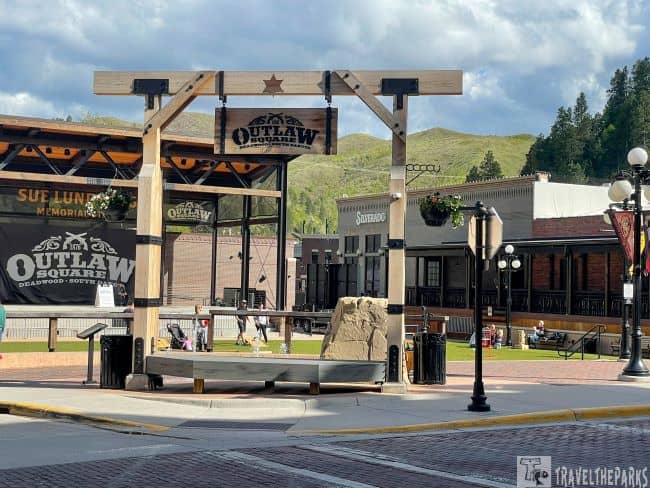
Stop at Outlaw Square
Be sure to check out Outlaw Square, a gathering place in the heart of Deadwood. The family-friendly space hosts concerts, community events, and other activities throughout the year.
It’s also a nice place to take a break after walking around town. Grab a seat, relax for a while, and enjoy the atmosphere before heading off to your next Deadwood adventure.
What we enjoyed most about Deadwood was discovering how much more there is to the town than its Wild West reputation. The famous characters and dramatic stories may draw you here, but the historic buildings, local businesses, and everyday places are what make the town feel alive.
If you’re visiting Deadwood, South Dakota, take your time and look beyond the obvious attractions. You’ll find history around almost every corner.

5. Attend the Trial of Jack McCall: Justice in the Wild West
Deadwood’s history doesn’t end when the sun goes down. In the evening, you can become part of one of the town’s most entertaining historical experiences—the Trial of Jack McCall.
During the summer season, Deadwood Alive presents the trial at the historic Masonic Temple. The evening begins with the free “Capture of Jack McCall” performance outside Saloon No. 10, followed by the trial inside the Masonic Temple.
The Trial of Jack McCall is a humorous reenactment of the miner’s court that followed the shooting of Wild Bill Hickok. Tickets are required for the trial, while the capture performance is free. Since schedules and ticket prices can change, check the current Deadwood Alive schedule when planning your visit.
Who Was Jack McCall?
Jack McCall was the man who shot and killed Wild Bill Hickok in Deadwood on August 2, 1876. Following the shooting, McCall was tried by a miners’ court and acquitted after claiming that Hickok had killed his brother.
McCall left Deadwood, but his story wasn’t over. He was later arrested in Wyoming and returned to Dakota Territory, where he faced a second trial in a federal court. This time, he was found guilty of Hickok’s murder and sentenced to death. McCall was hanged in 1877.
The Deadwood Alive performance takes that fascinating piece of history and turns it into an entertaining evening of Wild West theater. Even better, audience members can become part of the show, with some visitors called upon to serve as witnesses during the trial.
That’s what makes this experience so much fun. You’re not simply sitting back and watching a historical reenactment—you may actually find yourself involved in the proceedings.
If you’re visiting Deadwood, South Dakota, this is a fun way to experience the town’s history after you’ve spent the day exploring Main Street. It’s part history lesson, part theater, and a memorable glimpse into the very different kind of justice that existed in the Old West.

6. Walk Among Legends at Deadwood’s Mount Moriah Cemetery
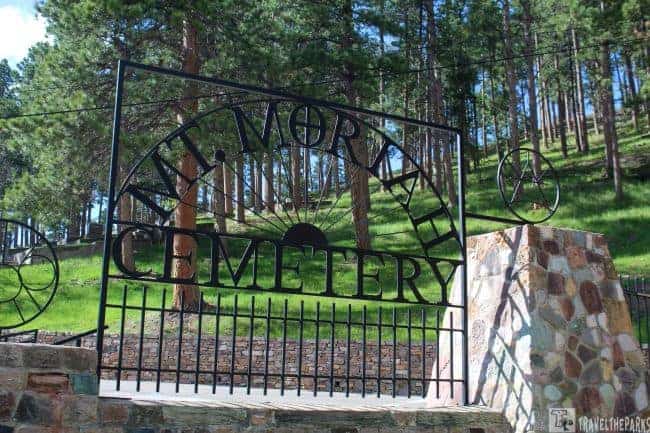
If you’re visiting Deadwood, South Dakota, don’t miss Mount Moriah Cemetery. High on the hillside above town, this historic cemetery is the final resting place of some of the most famous figures of the Old West. Walking among their graves gives you a different perspective on Deadwood’s history—and it’s an experience that stays with you.
First, a word of advice: don’t plan to walk to the cemetery. The road climbs steeply above town, and that bluff is no joke. Drive up the hill and you’ll get beautiful glimpses of Deadwood below as you make your way to the cemetery. Parking is limited near the small visitor center, so arrive early or be prepared to wait for a space.
During our visit, we paid the modest $2 admission fee per person, picked up a self-guided map, and set out to find the graves that brought us here. The cemetery’s paths are steep in places, so wear comfortable shoes and be prepared for some uphill walking.

Visit the Graves of Deadwood’s Legends
One of the biggest draws is the opportunity to visit the graves of some of Deadwood’s most well-known characters.
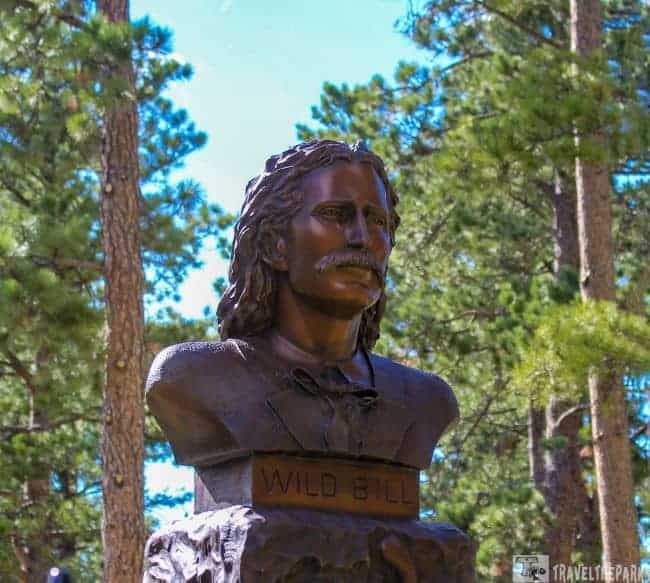
Wild Bill Hickok.
Calamity Jane.
Seth Bullock.
Potato Creek Johnny.
These names are woven into the story of Deadwood and the American West. We spent about an hour wandering among the headstones, reading inscriptions, and taking in the stories behind the people buried here. Each grave offers another glimpse into the colorful and sometimes rough history of the frontier town.
And then there’s the view.
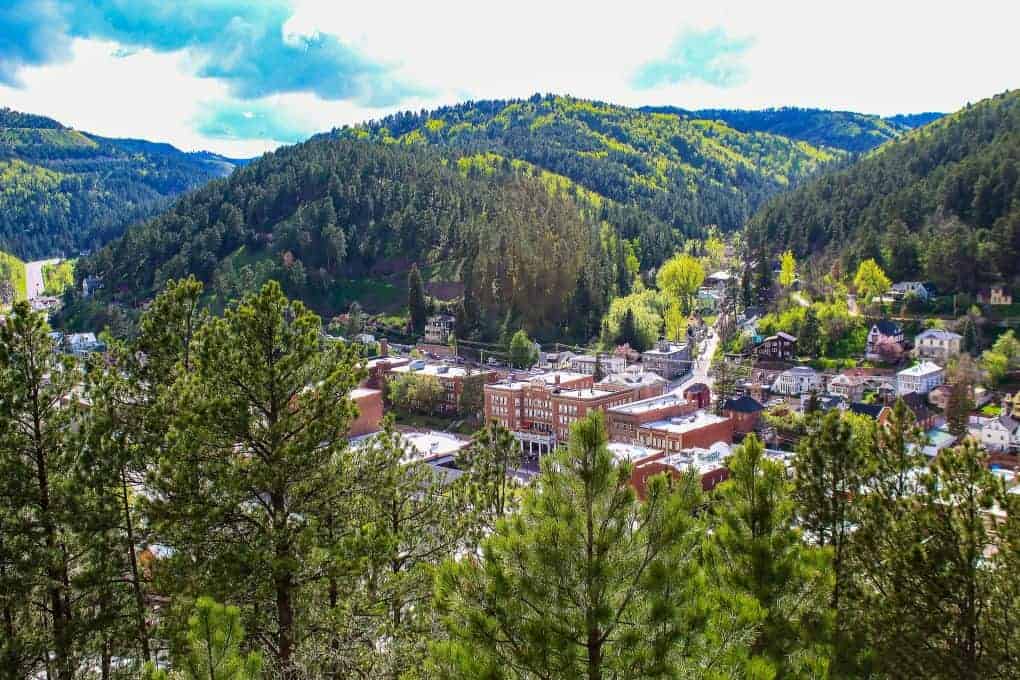
At the top of the cemetery, benches give you a place to catch your breath and enjoy a panoramic view of historic Deadwood spread out below. We visited later in the evening, when the sun was beginning to soften and the crowds had thinned. It was peaceful and surprisingly quiet.
And that’s exactly how it should be.

Please Treat Mount Moriah With Respect
Mount Moriah Cemetery isn’t just another Deadwood attraction. It is an active cemetery and a place where people come to honor those who have passed away.
During our visit, we unfortunately saw some visitors stepping over fences and climbing around barriers to get the perfect selfie. Please don’t be that traveler. Stay on the designated paths and respect the graves, fences, and surrounding property.
Take your photos. Enjoy the history. Take home the memories. But leave the cemetery just as you found it.
The people buried at Mount Moriah left behind fascinating stories that help make Deadwood what it is today. The least we can do is give them the respect they deserve.
If you’re visiting Deadwood, South Dakota, take the time to walk among these legends. Mount Moriah Cemetery offers more than a list of famous names. It gives you a quiet place to reflect on the people, stories, and history that shaped this unforgettable Old West town.

7. Discover Deadwood’s Rich History at the Adams Museum
If you truly want to understand Deadwood—not just as a town, but as a collection of fascinating stories—start at the Adams Museum. And here’s the best part: admission is free, although donations are gladly accepted to help preserve this local treasure.
Step inside, and you’ll find yourself face-to-face with some remarkable pieces of Deadwood’s past. The museum’s Bill Hickok Collection includes Wild Bill’s 1860 Colt conversion pistol, the weapon he reportedly carried on the night he was killed in August 1876. Seeing it in person makes the story of Wild Bill feel a little more real.
But that’s just the beginning. Nearby sits the massive 5-ton J.B. Haggin engine, built in 1877 for the Homestake Mining Company. It’s believed to be the first narrow 22-inch gauge locomotive in the Black Hills and offers a fascinating look at the mining and transportation history that helped shape the region.
Then there’s something you probably won’t expect to find in a historic museum—the “Riches & Responsibilities: A Natural History of the Black Hills” exhibit features an augmented reality sandbox. As you move the sand, the colors change to show different elevations and topography.
We thought it was genuinely cool. Kids can have fun with it, but we have to admit, the adults were pretty fascinated too. It’s one of those exhibits that makes learning about the Black Hills surprisingly hands-on.

8. Peek Into the Past at Deadwood’s Historic Adams House
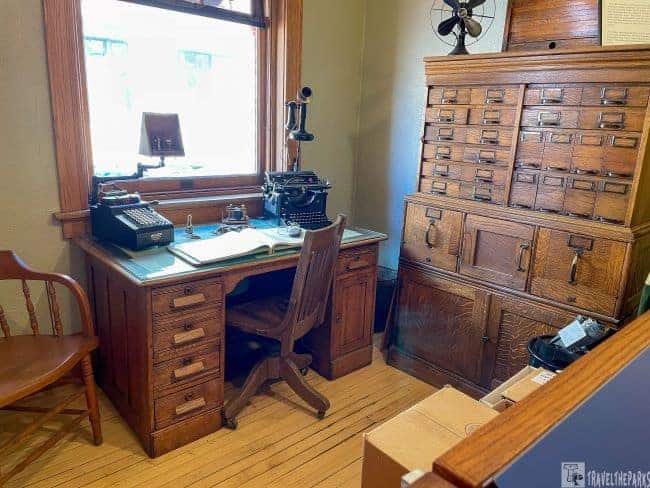
Just a short distance from the museum, the Historic Adams House gives you a more personal look at Deadwood’s past. Instead of artifacts behind glass, you’re walking through an actual home and seeing how one of Deadwood’s prominent families lived.
The Queen Anne mansion, built in 1892 by the Franklin family, is filled with period furnishings and stories from the people who lived there. During our visit, the guided tour lasted about 45 minutes and cost $10. Our docent did an excellent job of mixing history with stories that were both funny and touching.
One thing we won’t forget is the cookie jar filled with perfectly preserved cookies. And no, these weren’t a few years old—they were reportedly about 60 years old!
When the house was closed after W.E. Franklin’s death, many of the belongings were simply left behind. As a result, the Adams House offers a fascinating glimpse into another time.
During our visit, the Historic Adams House was open daily, with guided tours from 9:00 a.m. to 4:00 p.m. Be sure to check the current schedule and admission price before visiting.
The Adams Museum and Adams House offer two very different ways to experience Deadwood’s history. The museum tells the stories through artifacts, while the Adams House lets you step inside the world of the people who lived there. We enjoyed both and think they’re worth adding to your Deadwood itinerary.

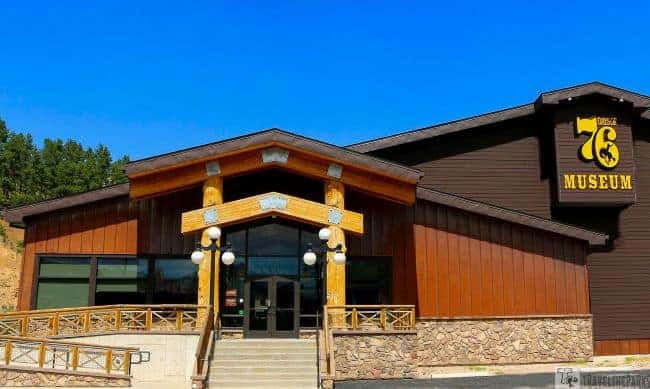
9. Step into the Spirit of the Old West at Deadwood’s Days of ’76 Museum
If you enjoy Western history, the Days of ’76 Museum is a must-see when visiting Deadwood. The museum brings the history of Deadwood and the Black Hills to life through an impressive collection of artifacts, photographs, and the vehicles that helped people travel and settle this rugged part of the country.
One of our favorite exhibits is on the lower level, “Deadwood: A Story of Movement and Change.” The exhibit features an extensive collection of carriages, wagons, and stagecoaches that were used to transport people and supplies across the frontier. Seeing these vehicles up close gives you a real appreciation for how difficult travel must have been during Deadwood’s early days.
We also appreciated the amount of information provided with the exhibits. Many of the artifacts are numbered and dated, with detailed descriptions explaining what they were and how they were used. It’s those little details that help connect the objects to the people and events that shaped Deadwood.

Don’t Miss the Film
Before leaving, be sure to watch the film about the life of Buffalo Bill Cody. His larger-than-life story is a fascinating part of the history of the American West and makes a fitting addition to your museum visit.
Planning your visit? The Days of ’76 Museum is open daily from 9:00 am to 5:00 pm. Adult admission is $10, children ages 6–12 are $5, and children under 5 are free. If you plan to visit both the Days of ’76 Museum and the Adams Museum, consider purchasing the combination ticket. It’s a good value and gives you the opportunity to explore even more of Deadwood’s history.
From stagecoaches and wagons to stories of the people who helped shape the Black Hills, the Days of ’76 Museum offers a fascinating look at Deadwood’s past. It’s a stop that gives you a better understanding of the challenges, adventures, and everyday life of those who called the Old West home.

10. Strike It Rich at the Broken Boot Gold Mine
From the outside, the Broken Boot Gold Mine may not look like much. Located along Hwy-14 just outside Deadwood, it would be easy to drive right past. But we’re glad we stopped because this turned out to be a fun and interesting look at Deadwood’s gold-mining history.
We purchased our tickets online ahead of time and even found a few discount coupons, which made the visit an even better deal. Before long, we were heading underground on a short tour through the historic mine.
Our guide was wonderful—knowledgeable, friendly, and full of interesting stories about the mine and the people who worked there. The tour lasts about 45 minutes and takes you through narrow passageways with low ceilings. Hard hats are provided, and you’ll definitely appreciate them as you make your way through the tunnels.

The History of the Broken Boot Gold Mine
The story of the Broken Boot dates back to 1878, when Olaf Seim and James Nelson began excavating the mine in search of gold. Their early efforts produced mostly iron pyrite, or fool’s gold, rather than the riches they were hoping to find.
They kept digging, however, and eventually struck real gold. Over the years, the mine produced approximately 15,000 ounces of gold before closing in 1904. Iron pyrite also became valuable for a time because it was used in the production of sulfuric acid.
The property eventually took on a new life. About thirty years after the mine closed, the town purchased it and recognized that the old mine could become a tourist attraction. Today, visitors can step underground and experience a small piece of Deadwood’s mining past.

Try Your Hand at Gold Panning
Want to try your luck at finding some gold? You can also pan for gold for $8 per person. It’s a fun hands-on activity, especially for families, and you never know what you might find.
Planning your visit? Tours run approximately every 30 minutes daily from Memorial Day through Labor Day, with the mine open from 8:00 am to 6:00 pm. Admission is $6 for adults, $5 for seniors 62+ and military, $4 for children ages 6–17, and free for children under 5.
One thing we’re planning to do on our next visit is the candlelight tour. Exploring the old mine by candlelight sounds like a completely different experience, and we’d love to see it for ourselves.
The Broken Boot Gold Mine is one of those attractions that’s easy to overlook but well worth adding to your Deadwood itinerary. The tour is affordable, doesn’t take a lot of time, and gives you a chance to experience what life was like underground for the miners who came to the Black Hills looking for their fortune.

11. Take in the views from the Mount Roosevelt Friendship Tower
Deadwood may be known for its Wild West history, but there are plenty of ways to get outside and enjoy the Black Hills. Hiking, biking, fishing, and scenic drives are all within easy reach of town.
The 106.5-mile George S. Mickelson Trail is a popular choice for cyclists and hikers, following an old railroad corridor through the Black Hills. If fishing is more your style, Whitewood Creek and Deadwood Creek can be good places to find trout in early spring. We’ve found that early-season fly-fishing can be especially rewarding when the water is running well.

Our favorite outdoor adventure near Deadwood, though, was the hike to the Mount Roosevelt Friendship Tower.
We headed out early in the morning to avoid the afternoon heat and the possibility of summer thunderstorms. The trailhead is about 2.5 miles from downtown Deadwood, making it an easy drive from town.
The hike itself is only about 0.8 miles, but don’t let the short distance fool you. It’s a steep climb, and the loose rocks made the footing a little tricky in places. Good hiking shoes or boots are definitely a good idea.

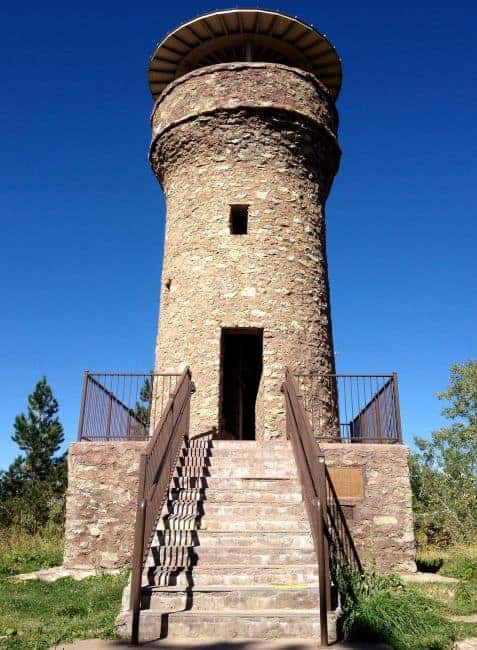
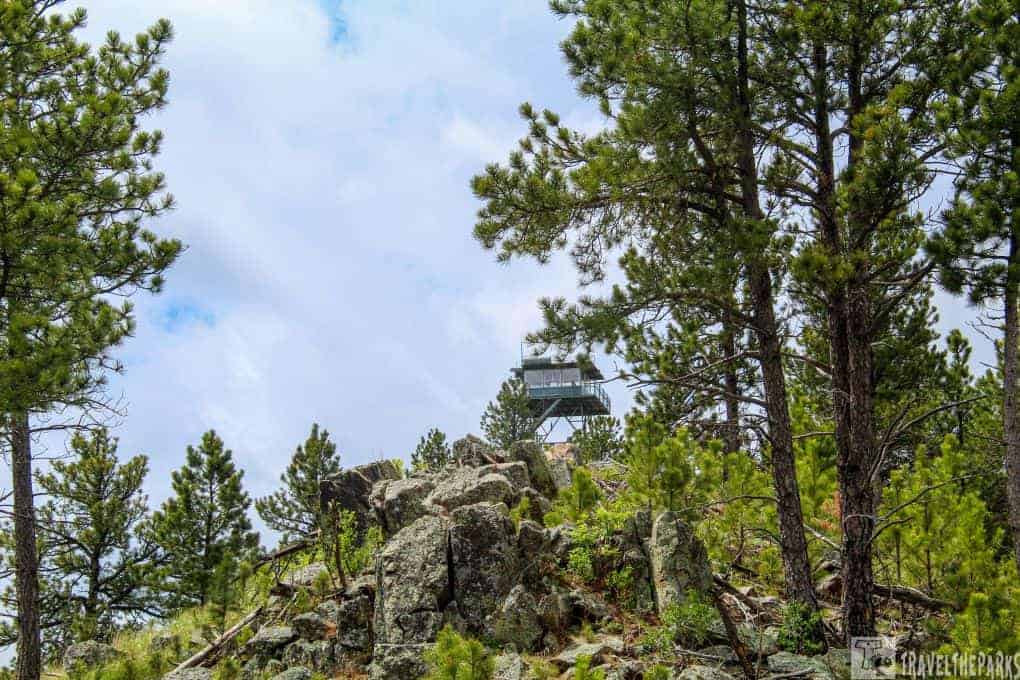
At the top, you’ll find the 31-foot Mount Roosevelt Friendship Tower, a stone memorial with a spiral staircase leading to the observation deck. Climb to the top and you’ll be rewarded with 360-degree views across the Black Hills. It’s a great place to stop for a while and take in the scenery before heading back down.
The Cowboy and the Conservationist
The tower also has an interesting connection to one of Deadwood’s most famous historical figures. Sheriff Seth Bullock built the tower in memory of his friend, President Theodore Roosevelt, following Roosevelt’s death in 1919. Bullock also renamed the mountain Mount Roosevelt in his honor.
An interpretive kiosk behind the tower provides more information about their friendship and the history of the memorial. Knowing why the tower was built makes the stop even more meaningful—it’s not simply a viewpoint, but a memorial to a friendship that was important to Bullock.
Pro Tip: Don’t let the short distance make you underestimate this hike. The climb is steep, and the loose rocks can make it harder than expected. Bring plenty of water and a snacks, especially if you’re hiking during the warmer months. We also recommend getting an early start when summer temperatures and afternoon storms are a concern.

12. The World’s Oldest Profession: A Tour of Deadwood’s Historic Brothels”
Exploring historic sites during our travels often leads us to some interesting stories, but every now and then, we come across a piece of history that raises our eyebrows a little. Touring one of Deadwood’s historic brothels was definitely one of those experiences—and yes, we found it absolutely fascinating.
Brothels operated in Deadwood for more than a century, beginning in the 1870s and continuing, with only a brief interruption, well into the twentieth century. Today, visitors can take a guided tour and learn about a side of Deadwood’s history that you won’t find in many of the town’s more traditional museums.
Pam’s Purple Door
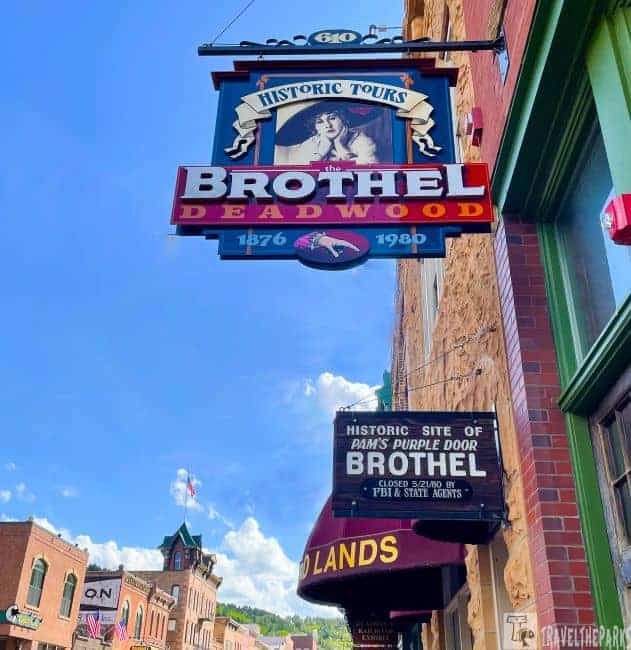
One of Deadwood’s best-known former brothels was Pam’s Purple Door, operated by Madam Pam Holiday. The building is now a five-bedroom rental property, but its history remains part of Deadwood’s colorful past.
The tour we took began on the second floor of the former bordello known as the Shasta Rooms. Right away, we knew this wasn’t going to be your typical history tour. A sign reading “Soiled Doves Whorehouse” caught our attention, and then we started noticing some of the old house rules.

One of our favorites?
“Spurs were not to be worn in bed.”
Even in the Wild West, apparently, some things were considered common sense.
Our guide, Carla, did a wonderful job sharing stories about the women and the history of the establishment. She balanced the more colorful and sometimes uncomfortable parts of Deadwood’s past with humor and plenty of interesting historical details.
The rooms are furnished to represent different periods between 1940 and 1980, giving visitors an idea of what the establishment may have looked like during its final decades of operation.
Deadwood’s prostitution industry finally came to an end on May 21, 1980, following a raid involving federal and South Dakota law-enforcement authorities. The closure made national news and marked the end of a chapter that had been part of Deadwood’s history for generations.
Planning a visit? The brothel tour operates year-round, with tours generally available daily from 11:00 am to 6:00 pm.

A Word of Warning
This is an adults-only tour, and the stories are presented candidly. If you’re traveling with children, you’ll want to choose one of Deadwood’s many other historic attractions instead.
For adults interested in seeing a different side of Deadwood’s past, however, we found the tour entertaining, informative, and unlike any other historic tour we took in town.
Deadwood’s history isn’t limited to gold miners, gamblers, gunfighters, and famous names like Wild Bill Hickok and Calamity Jane. The women and madams who worked behind those closed doors were also part of the town’s story.
And if you take the tour, just remember one thing: leave your spurs at the door.

Final Thoughts on Deadwood Will Make You LOVE the Wild West
Deadwood is one of those places where history is hard to escape—and that’s exactly what makes it so much fun to visit. Whether you’re interested in the characters who made Deadwood famous, the gold-mining history, the historic buildings, or the stories behind some of the town’s more unusual attractions, there’s something interesting around nearly every corner.
Fans of HBO’s Deadwood will recognize many of the names and stories, but you don’t have to be familiar with the show to enjoy the town. We especially enjoyed visiting the museums and historic sites because they gave us a better understanding of what life was really like during Deadwood’s early years.
And Deadwood isn’t just about the Wild West. Once you step outside town, the Black Hills offer plenty of opportunities for hiking, fishing, scenic drives, and exploring. That combination of history and outdoor adventure is what makes Deadwood such a fun stop on a South Dakota road trip.
If you’re looking for a place where you can spend a few days exploring, learning some history, and having a little fun along the way, put Deadwood on your list. We certainly enjoyed our time there, and there was more than enough to keep us busy.
Have you been to Deadwood? What did you enjoy most? Did you have a favorite thing to do in Deadwood? Share your thoughts in the comments below—we’d love to hear about your experience!