In the Black Hills of South Dakota, incredible discoveries lie beneath the surface. Exploring the hidden secrets of Jewel Cave National Monument is an awe-inspiring experience and one of the most fascinating stops in the region. If you’re planning a longer trip through the area, don’t miss our South Dakota and North Dakota road trip itinerary, where Jewel Cave is one of 15 unforgettable stops.
Today, Jewel Cave is one of the longest cave systems in the world, with more than 220 miles of surveyed passages. Scientists believe that only a small fraction of the cave has been explored.
This post may contain affiliate links, meaning if you purchase something through one of these links, we may earn a small commission at no extra cost to you! Read the full disclosure policy here.

Table of Contents
How to Reach Jewel Cave National Monument
Jewel Cave National Monument is open year-round, although summer is the busiest season. The closest airport is Rapid City Regional Airport (RAP), approximately 54 miles (about one hour) away.
Jewel Cave is easy to combine with other Black Hills attractions, including Custer State Park, Crazy Horse Memorial, Wind Cave National Park, the Needles Highway, and Iron Mountain Road, making it an excellent stop on a Black Hills road trip.
- From the Black hills, take U.S.16 south. Turn west onto U.S. 385 toward Hill City, SD. Continue on US 385 into the town of Custer City, SD. Turn right. Continue on Mt Rushmore Road/US 16 13-miles to the park. On your left, follow the signs for the visitor’s center.
- From Newcastle, Wyoming, take U.S.16 north. Follow for 26-miles. At the Jewel Cave entrance sign, turn right, follow the signs for the visitor’s center.

Uncovering the Secrets of Jewel Cave’s Underground Passages
The Michaud brothers discovered the mysterious cave in 1900. Frank and Albert, who described finding a small opening blowing air out of the ground. Like Wind Cave, Jewel Cave is also a barometric, or breathing, cave. This opening was too small, so they improvised by using dynamite to enlarge the hole. They soon discovered a cave filled with sparkling “jewels”. To have exploration funds, they attempted to make the cave a tourist attraction, but when they opened for business in the early 1900s, the tourists never materialized.
Why Is It Called Jewel Cave? The Sparkling Story Behind the Name
Millions of years ago, the Black Hills was covered by a shallow sea. Later, tectonic activity caused an uplift and created fractures. Water penetrates these fractures, combines with carbonic acid, enlarging the cave passages.
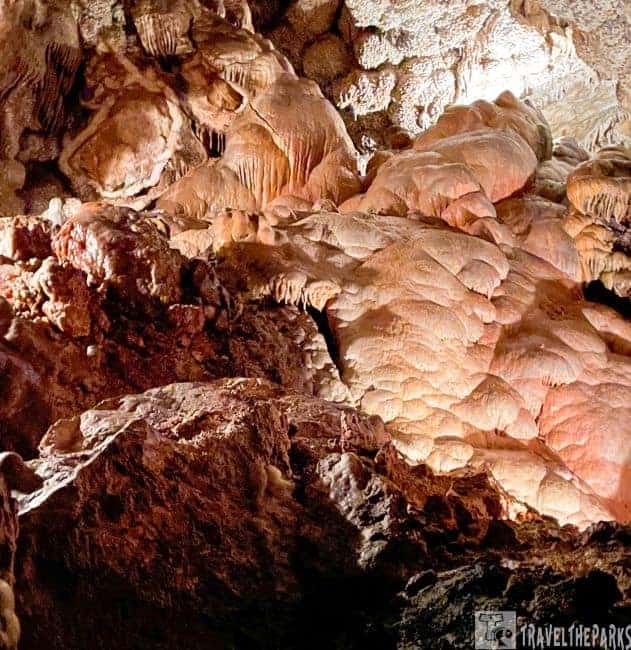
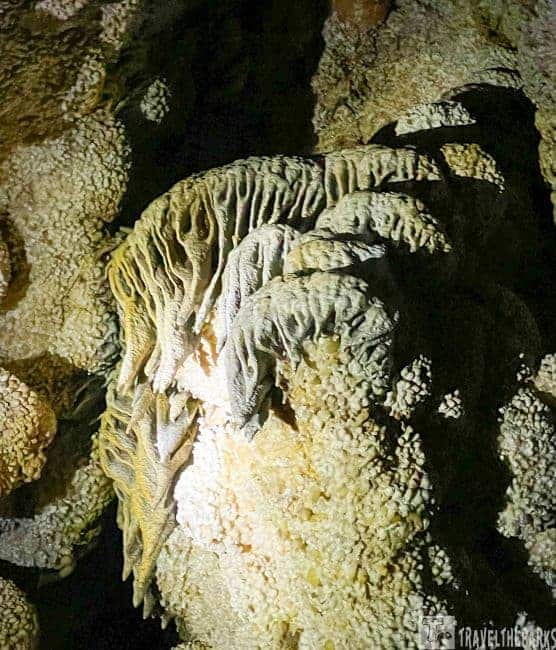
The “jewels” of Jewel Cave are composed of a mineral known as calcite, which is a component of limestone. The two types of calcite crystals commonly named nailhead spar and dogtooth spar. Both form when the carbon dioxide gets released, thus producing caused the water to become supersaturated with the dissolved limestone. It then becomes redeposited on the cave walls & ceilings created unique formations.
What Tours Are Available at Jewel Cave National Monument?
Note: NOT allowed inside the cave are backpacks, bags, & purses, water bottle, food stuffs and selfie sticks. They only allow front baby backpack carriers.
Planning a trip to Jewel Cave? Plan ahead and make a reservation by booking tours online at recreation.gov. These tours fill quickly. Online reservations are available in the summer 60 days to 72 hours in advance. First come, first served tickets will be available on a limited-basis in the park visitor center. On the National Park’s website, you can find updated information about Jewel Cave tours and prices. Currently, they offer four tours at throughout the year.

- Discovery Tour-From the VC elevators is a short 20-minute, “Discovery Talk” in the Target Room.
- Scenic Tour-the most popular ranger-guided 90 minutes is moderately strenuous 743 stairs (0.5 miles). We choose this tour which starts at the VC elevators.
- Historic Lantern Tour (Summer only)-At the historic entrance, 2-hours lit by lantern only. Requires duck walking over 0.5 miles (~500 steps).
- Wild Cave Tour (summer only)-From the historic entrance, it crawls & climbs through tiny, narrow spaces ~24 inches wide and 8.5 inches tall. The most strenuous at 4-hours over 0.5 miles. For those that want an adventure!
Note: White-nose syndrome, a fungal disease deadly to bats, has been detected at Jewel Cave. All cave tour participants must walk across a decontamination mat when exiting the cave.

PRO Tip Don’t Forget: passport cancellation stamps and NPS Junior Ranger programs are available at the park’s visitor center. The Jr. Cave Scientist Program comes with a booklet full of info and activities and a special caving badge.

Start Your Adventure at the Jewel Cave Visitor Center
There are no entrance fees for Jewel Cave. The Visitor Center, Park Store, surface trails, and picnic areas are currently open every day 8:00 a.m. to 5:30 p.m. There is no food service available at the park. Be sure to bring plenty of water or a refillable bottle. There are refill stations available, and snacks. A picnic lunch is always a good idea.
We arrived 30-minutes early to check in for our scenic cave tour. Since we have to wait a while before our 9:40 am tour, we walked the self-guided tour of exhibits, and previewed the award-winning introductory park film. The gift shop and bookstore features a great selection.
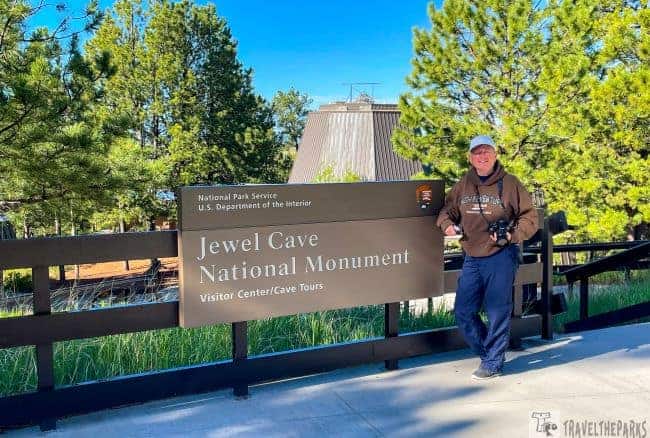
Unique things to see: What Secrets Lie Beneath the Surface?
Scenic cave tours begin at the visitor center. Look for the signs near the elevators. Ranger Aimee led our scenic tour today. Quickly going over the rules, the group (30) entered the elevators, descending 250′ deep underground into the subterranean labyrinth. Here she needed to appoint someone to be the caboose. We volunteered so we could take photographs without lots of people. It’s a constant 49°F inside the cave. You will need a jacket or a sweater. They allow cameras and flash photography.
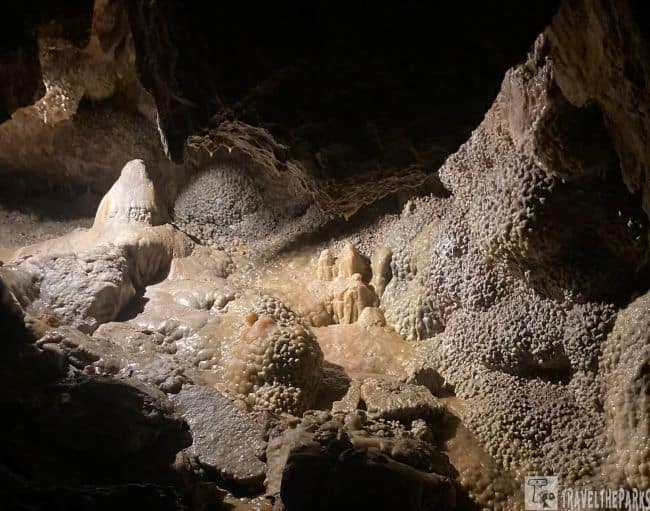
Our experienced guide revealed a plethora of history about Jewel Cave. The highlight was when she turned out all the lights so you could experience total darkness. There is a wealth of knowledge to be learned about this cave and its intricate geology. Genuinely fascinating to see the unique formations in the expansive rooms, both wet and dry. The most interesting were calcium carbonate crystals that formed flowstone and the dazzling colors of cave bacon. Unlike Wind Cave, there were way more formations to see, which I found impressive.
PRO Tip: The Ranger will assigned someone to help make sure no one lagged behind and checked with that person frequently. As the caboose, you get photos with no people in them.

Exploring the Nearby Hiking Trails
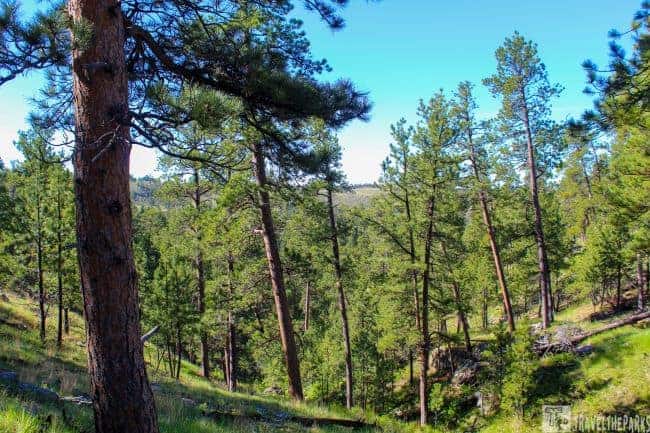
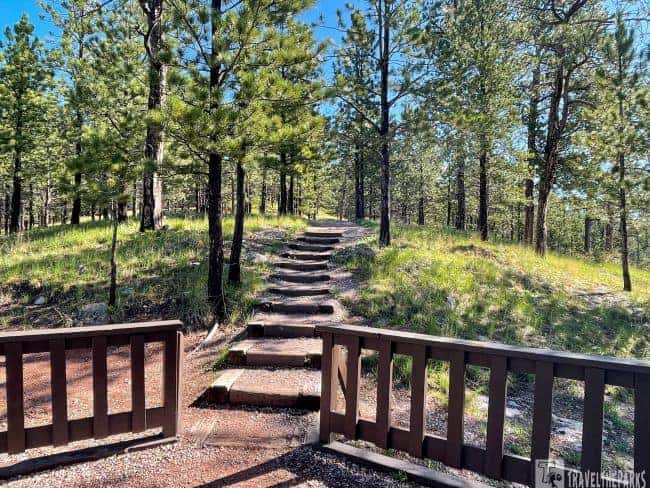
Jewel Cave does not have a ton of trails. Only three trails ranging from short, easy short to moderately strenuous. The shorts, easiest trail if the Rooftop trail. Starts right outside the visitor center. A self-guided 0.25-mile loop it has picturesque views from the high ridge top of the plateaus and mountains. It’s hard to imagine you are walking on the roof of a massive cave system. The dirt trek moves through mature ponderosa pine forest. I can still smell the fresh scent of pine needles.

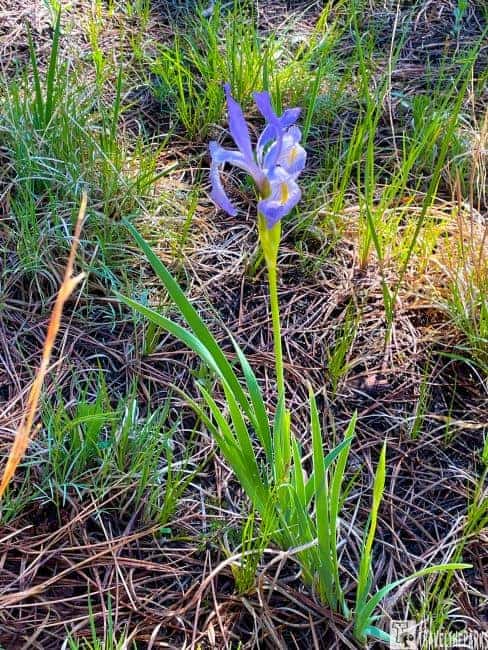
There is a wooden platform at the midpoint of the trail that overlooks Hells Canyon and the barren hills in the distance. The trail has plenty of park benches, perfect for watching deer, bighorn sheep, or other wildlife. We saw lots of different birds and wild iris flowers bloom in the early spring. This short loop trail is perfect if you are waiting for your tour to begin.
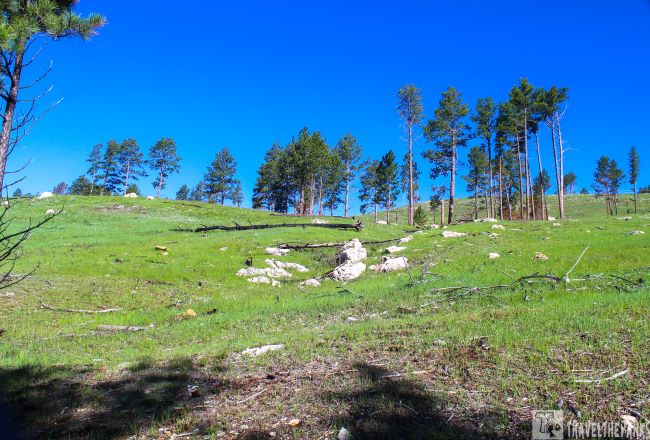
Hiking the Charming Canyon Trail: A Must-Do Adventure
This trail is a moderately strenuous 3.5-mile loop. From either the visitor center or the historic area, you can access the trail. As the historic area is less crowded, we recommend starting there. Both areas have restrooms, water fountains and picnic tables available. Before beginning the hike, you definitely need good hiking boots.
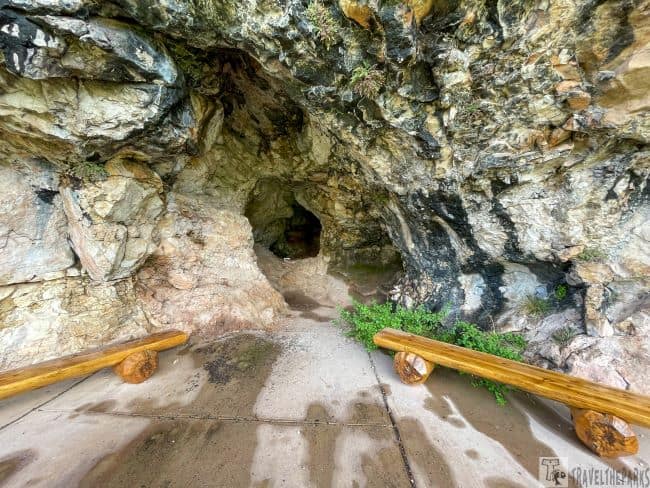
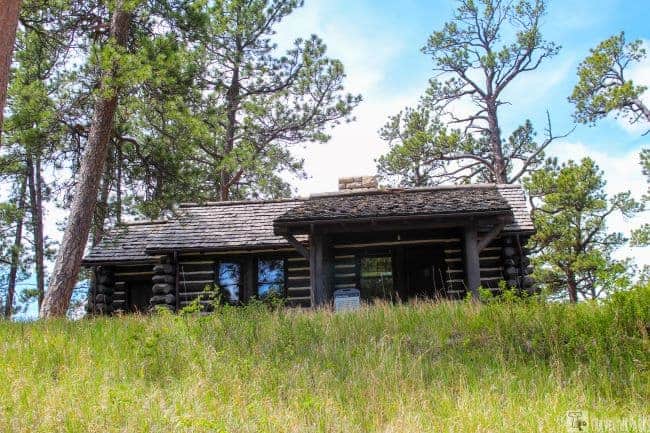
Without committing to the entire Canyons Trail, you can experience a portion of it. We suggest take the time to at least see the historic natural entrance. From the parking lot, climb the short rise to the ranger log cabin. The cabin was the original visitor center until 1972. The Civilian Conservation Corps (CCC) built it in 1936. This part of the trail follows a paved path down a set of stone steps to the natural entrance (0.3 miles). After the natural entrance, the path returns to a narrow gravel trail.
Throughout the Black Hills, the Jasper Fire, which started on August 24, 2000, destroyed over 83,000 acres and 90% of Jewel Cave’s surface. Nowhere is this more visible than along the rugged hills on the Canyon trail, especially Lithograph Canyon. The elevation gain is about 300 feet as you travel through beautiful wildflower meadows before entering the canyon areas.
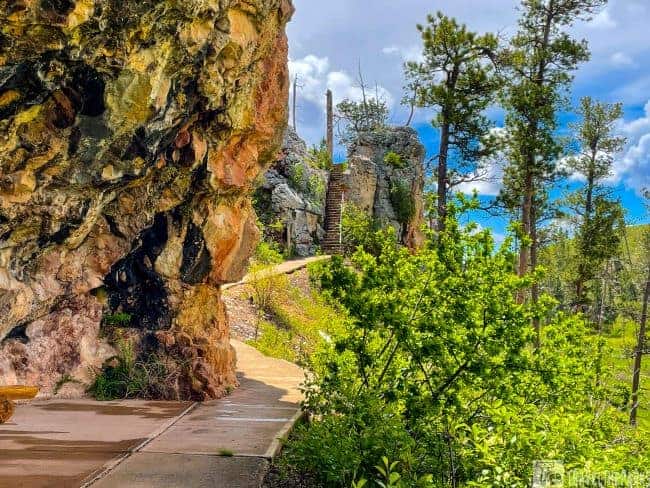
Jewel Cave’s best-kept secret: Hells Canyon Trail
The 5.5-mile loop trail is just outside the park boundary. There is a gate you have to go through at the trailhead to get on the trail. The rough and rugged trail follows the canyon floor for 2-miles before climbing 500 feet to the canyon rim. Considered a difficult trail because of the exposure to the elements for the entire length of the trail. Be sure to have plenty of water, wear a hat and apply sunscreen.
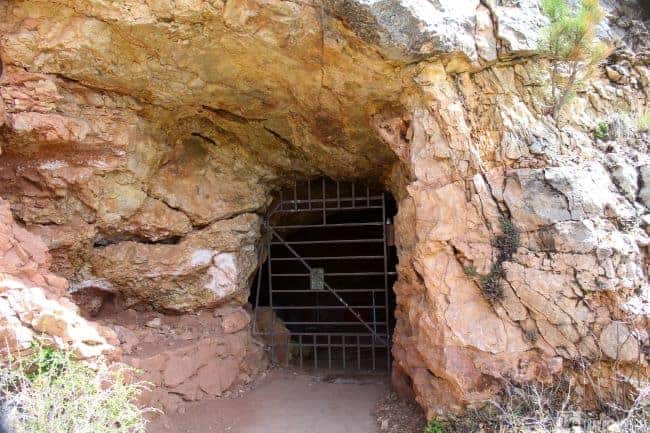
Final Thoughts: Hidden Secrets of Jewel Cave National Monument
Jewel Cave National Monument and Wind Caves National Park may both be located in the Black Hills, but each offers a completely different underground experience. If you’ve ever thought, “I’ve seen one cave, I’ve seen them all,” Jewel Cave will quickly change your mind. From its glittering calcite crystals and fascinating formations to the knowledgeable ranger-led tours, it remains one of the most memorable caves we’ve ever explored.
If you’re wondering which experience is right for you, read our guide to Jewel Cave tours to compare the available ranger-led options and learn what to expect before you go.
What surprised us most, though, was everything above ground. The peaceful forest, scenic hiking trails, and abundant wildlife make this national monument much more than just a cave. It’s a hidden gem that’s well worth adding to your South Dakota and North Dakota road trip itinerary.
Have you seen some of the “jewels” in Jewel Cave? What hidden secrets of Jewel Cave National Monument did you discover? Tell us what you thought about the experience in the comments below.